Southwick-Tolland-Granville Regional School District
SOUTHWICK, MA
Project Feasibility
JCJ was initially engaged by the Southwick-Tolland Regional School District (SWTRSD) to undertake a feasibility study for Woodland Elementary School. As planning progressed, it became clear that the district’s immediate challenges extended beyond a single facility. Working closely with district leadership and the Massachusetts School Building Authority (MSBA), the study was expanded to evaluate the condition and educational value of each school in the district, answering fundamental questions about where and how to make the most effective long-term investment.
The planning process explored educational priorities, grade configuration, facility capacity, state grant opportunities and the potential expansion of the regional district to include the Town of Granville. Together, these efforts demonstrated that the most educationally sound and cost-effective solution was not a standalone renovation, but a coordinated strategy that expanded the regional district, welcomed Granville into the agreement, reconfigured grade levels and modernized all three schools. JCJ assisted the newly expanded district in securing state and local funding approvals for a comprehensive program that renovated Woodland Elementary School to serve students in PreK-2, transformed Powder Mill into an intermediate school for Grades 3-6 and renovated and expanded Southwick-Tolland High School into a combined Middle School/High School serving Grades 7-12.
Design
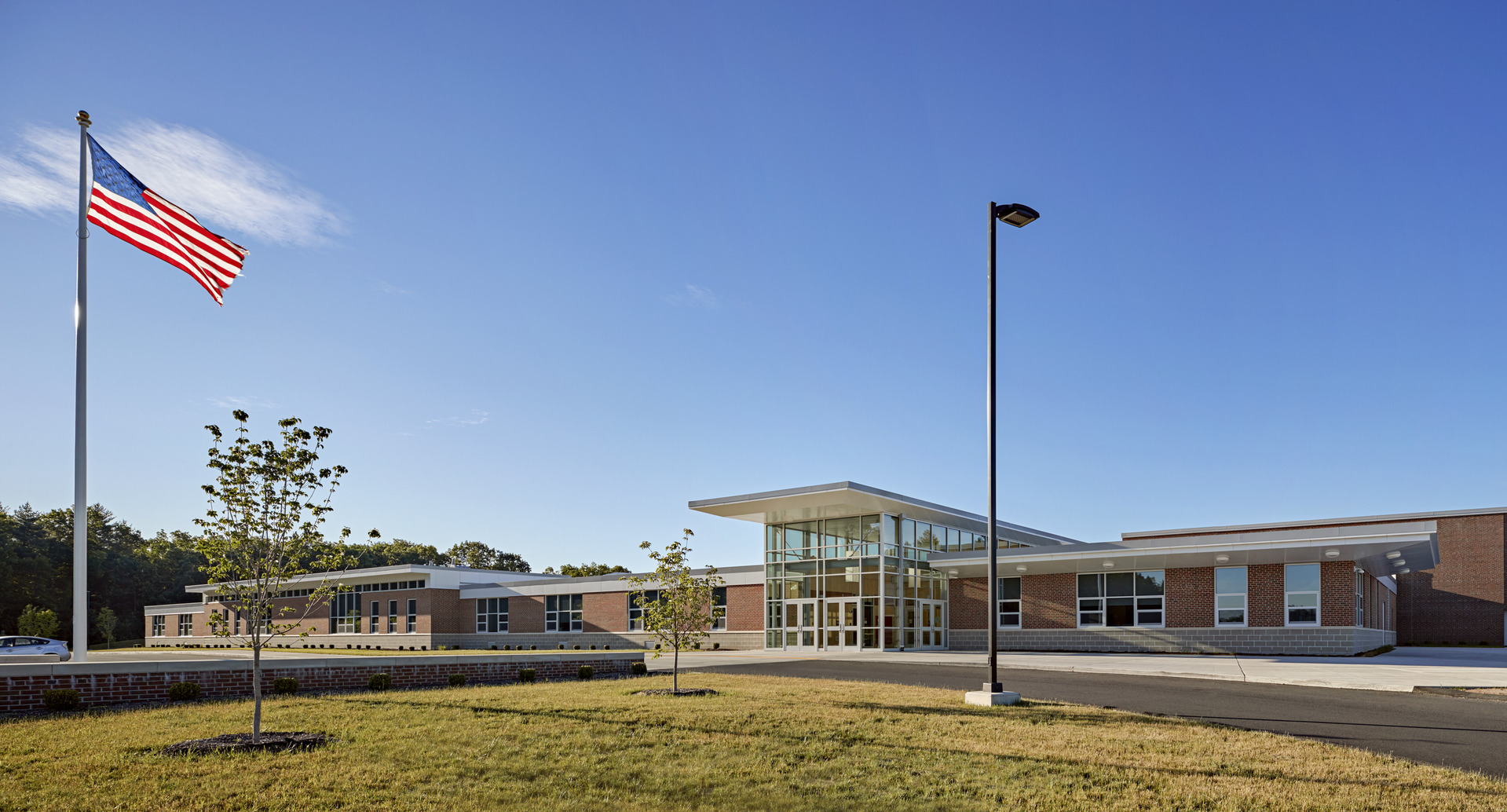
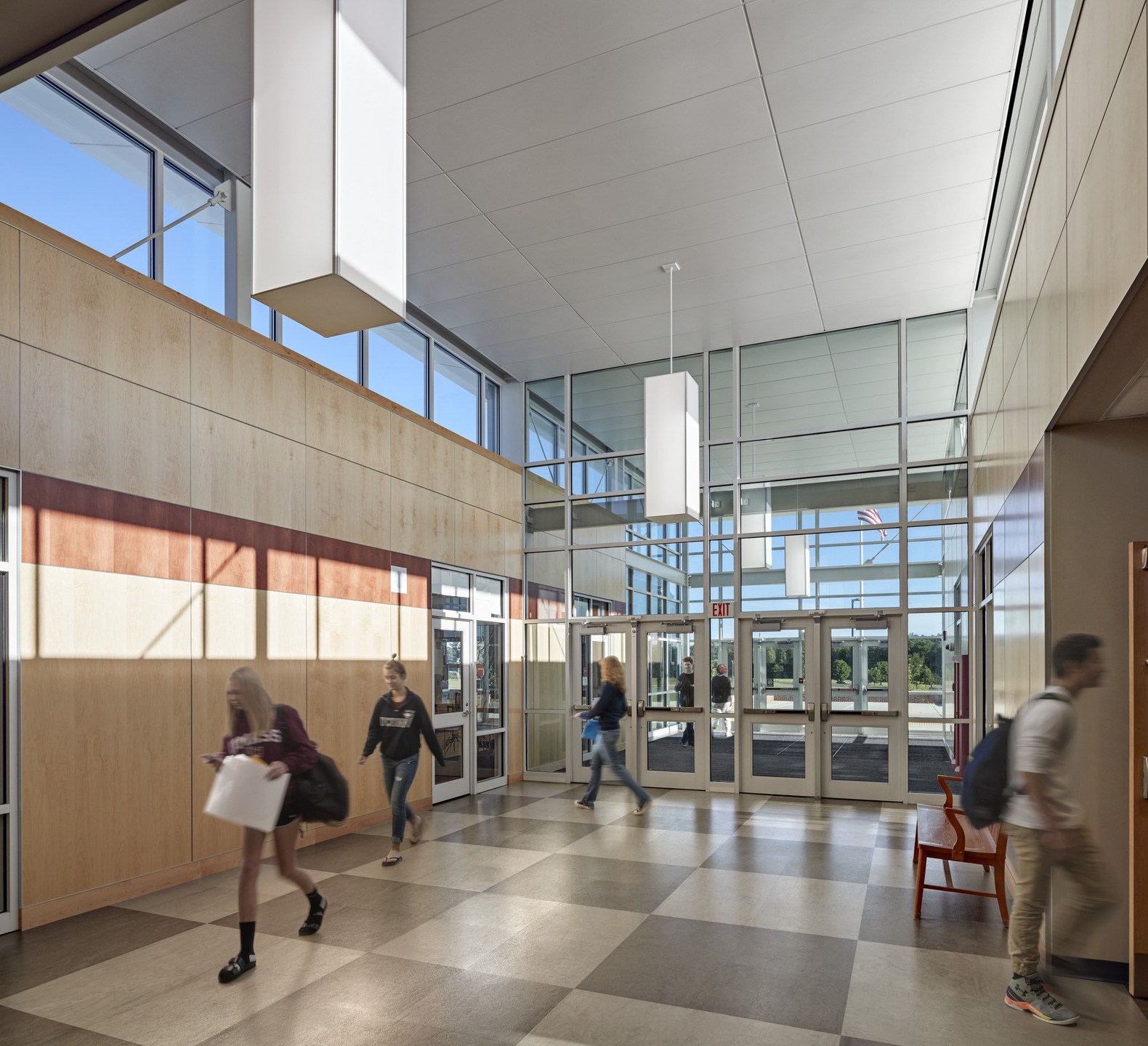
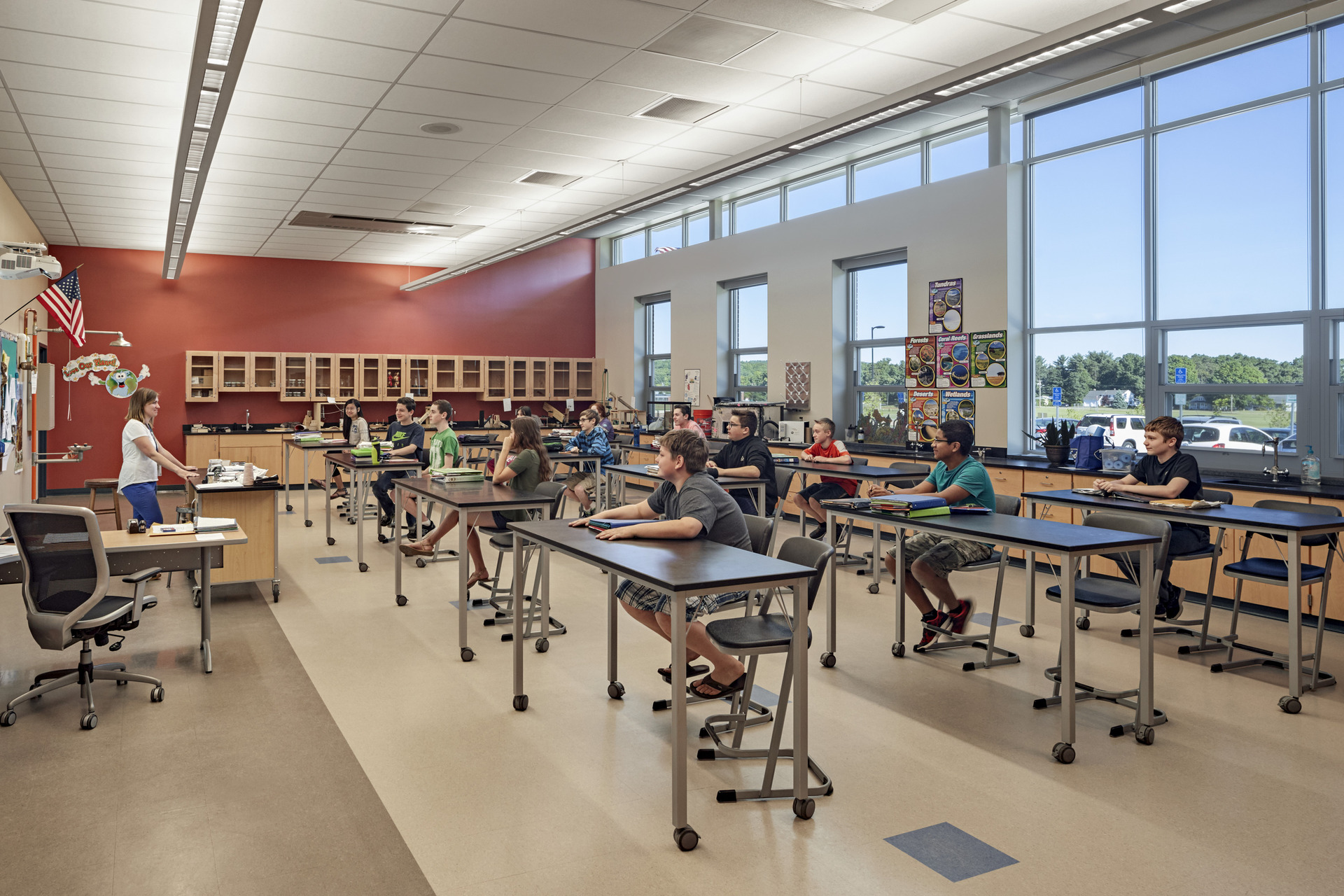
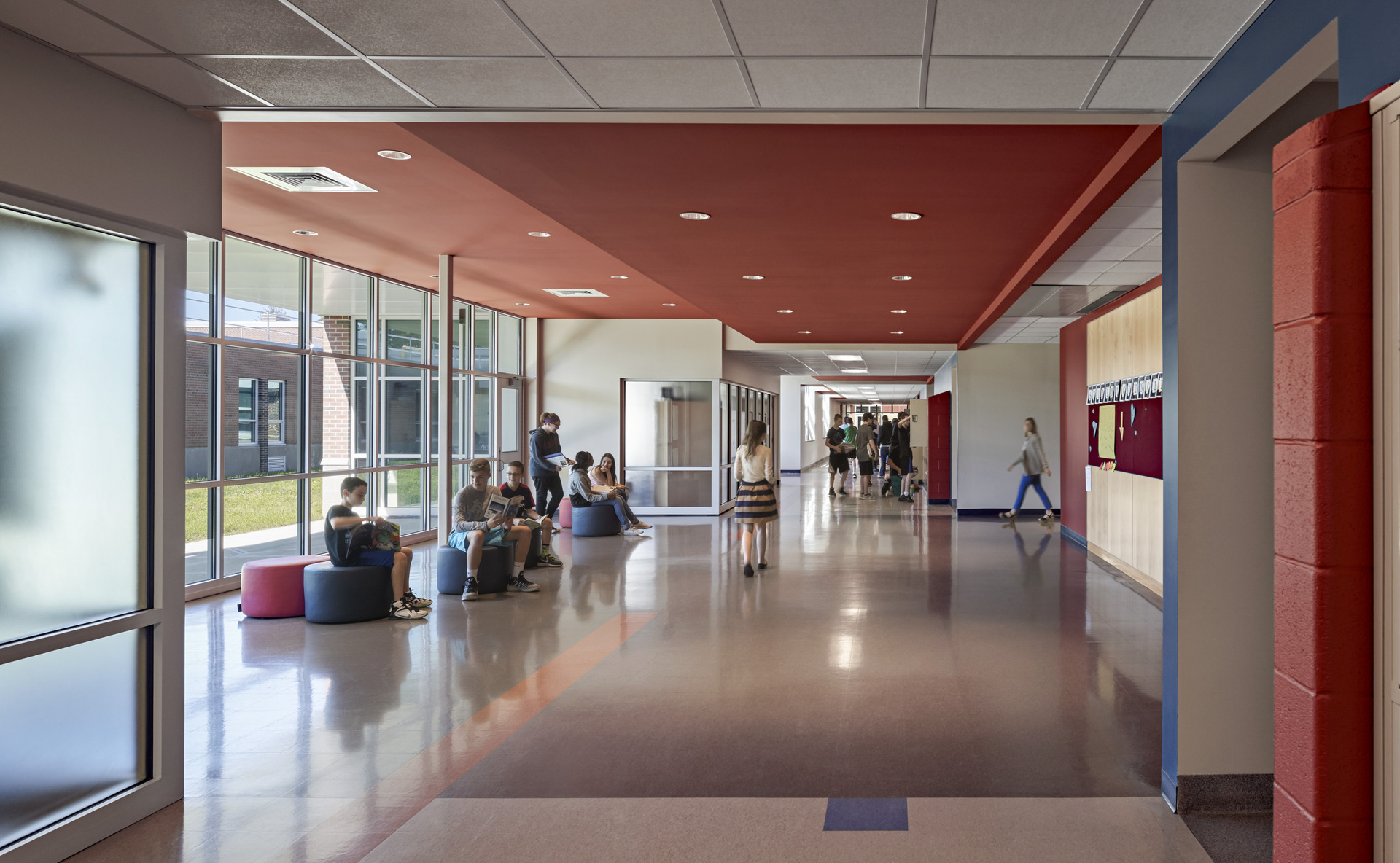
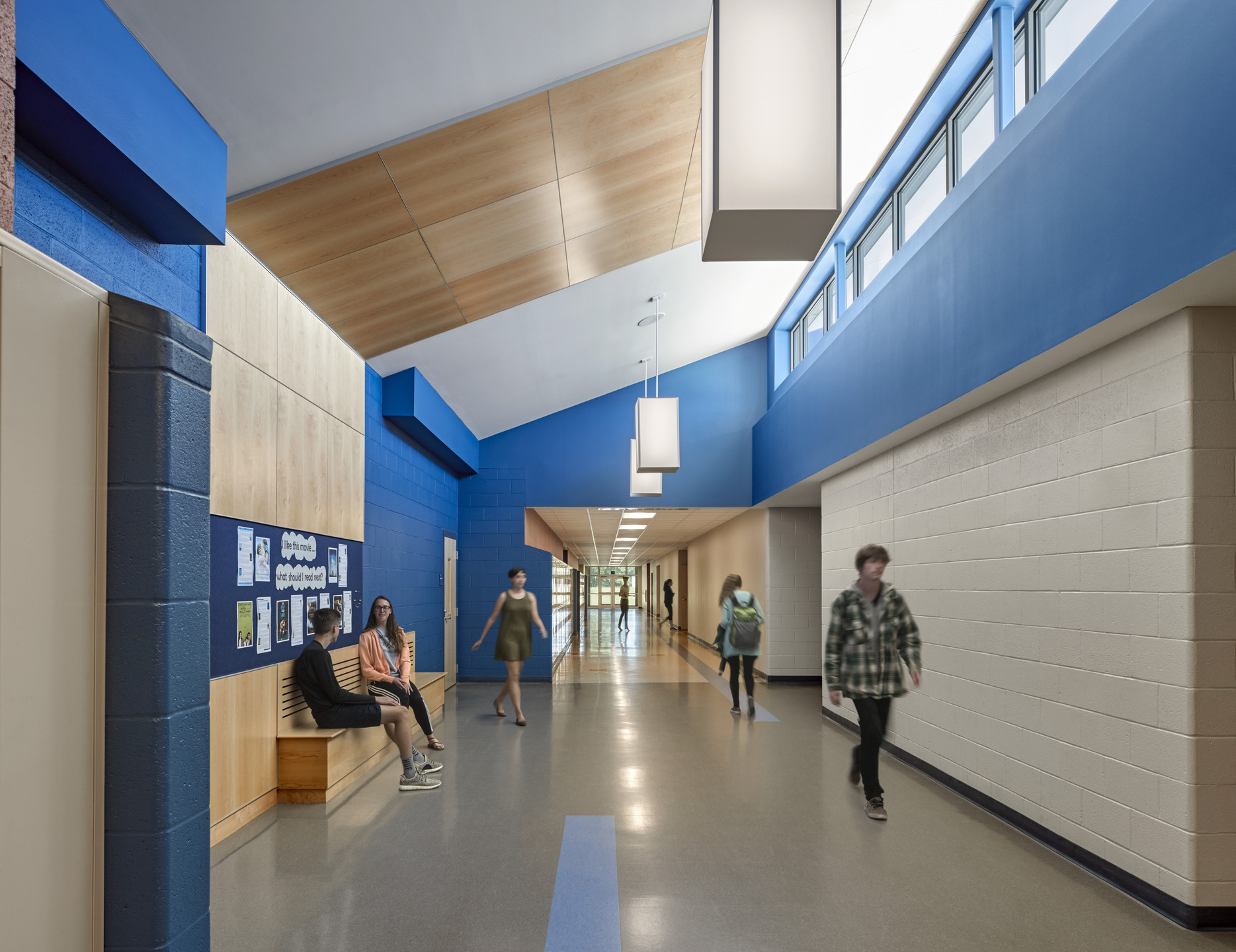
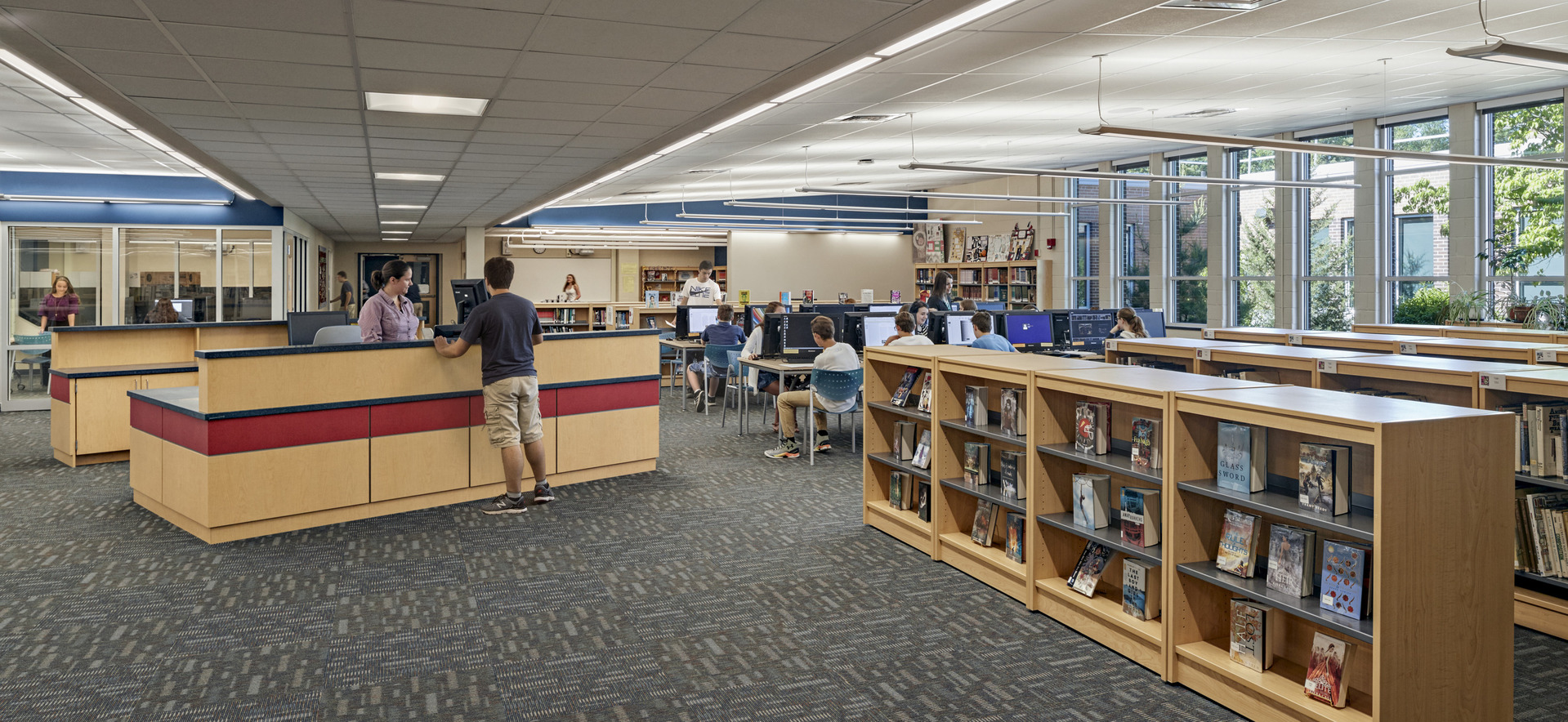
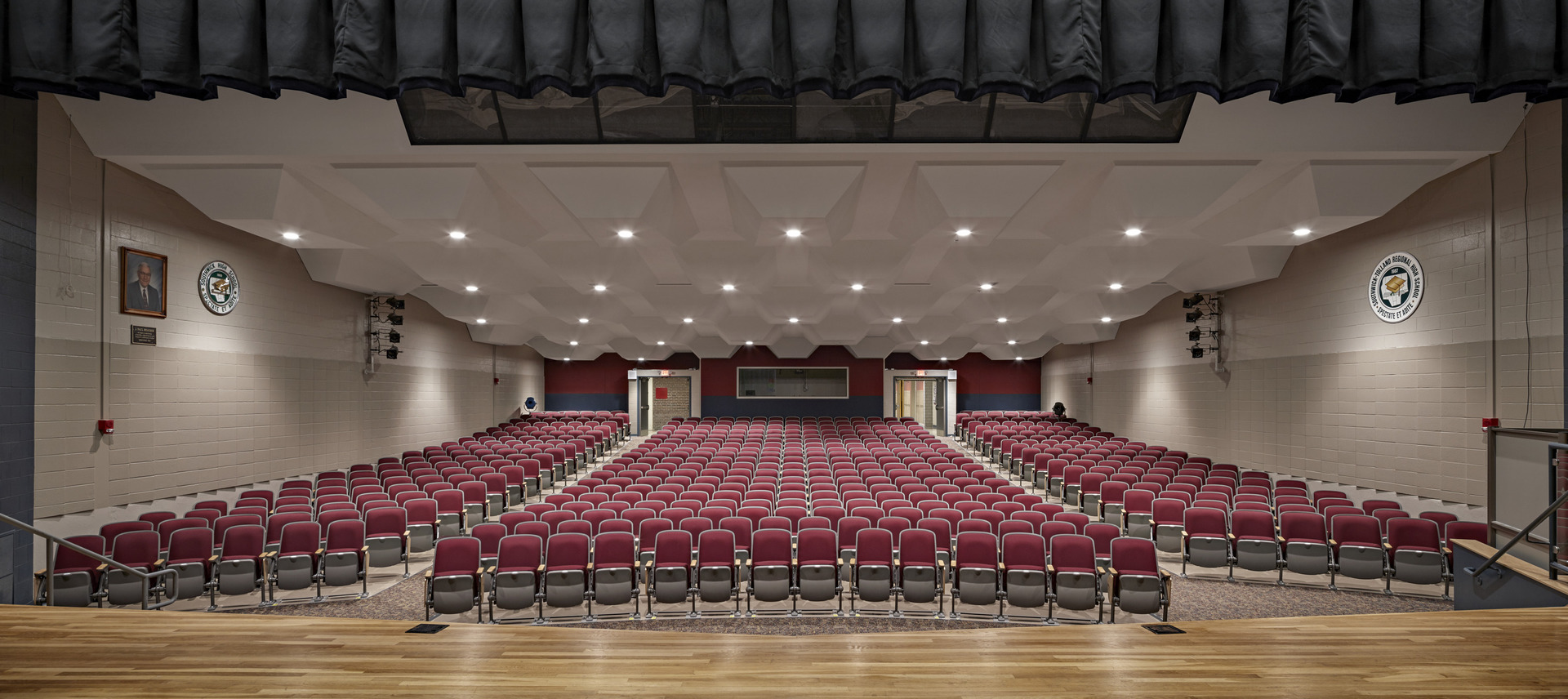
The renovation and expansion of the Middle/High School became the centerpiece of the district-wide initiative. New additions created distinct academic wings for middle school and high school students while retaining core spaces for shared use. This organization provides middle school students with an environment tailored to their specific needs while allowing both schools to benefit from shared resources, greater operational efficiency and long-term flexibility.
Renovations at Woodland Elementary School and Powder Mill completed the district-wide initiative, adapting each facility to its new educational role through classroom improvements, administrative updates, enhanced security and expanded early childhood programming.
What began as a feasibility study for a single elementary school ultimately became a comprehensive strategy that addressed the district’s broader educational, operational and financial goals. By looking beyond the immediate need, the planning process created a coordinated path forward that modernized facilities, established age-appropriate learning environments and maximized the long-term value of the district’s existing schools.