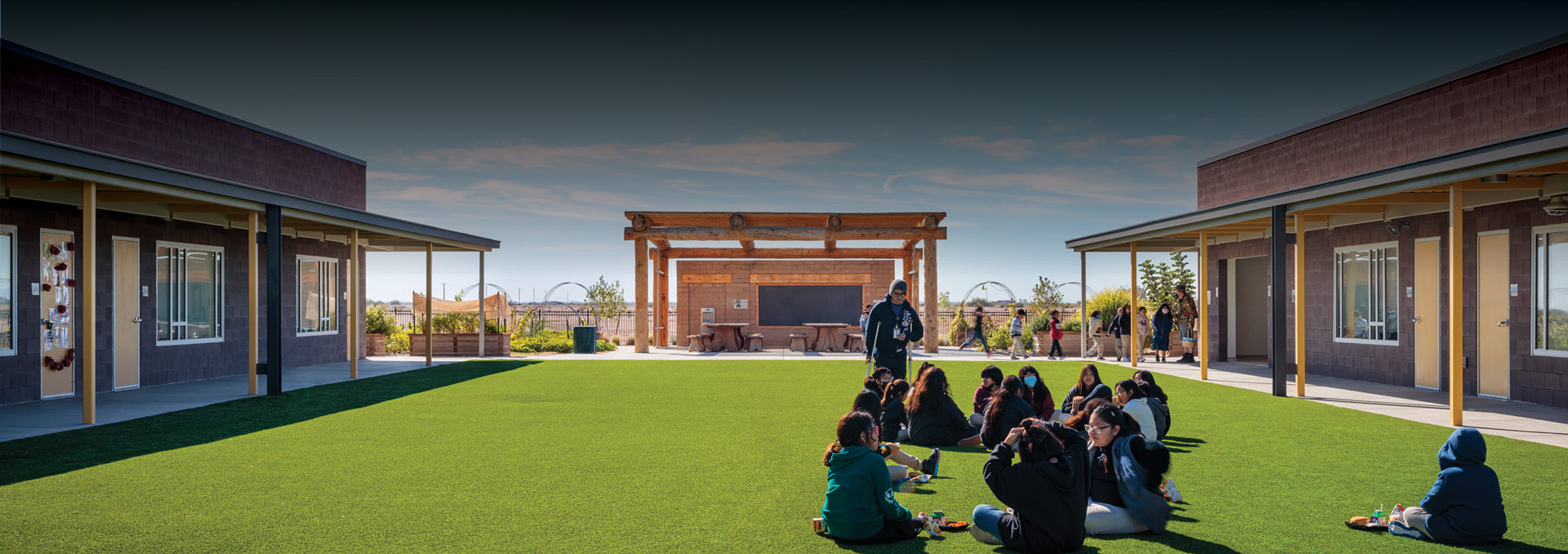
BIA-Navajo Justice Facilities
New Mexico
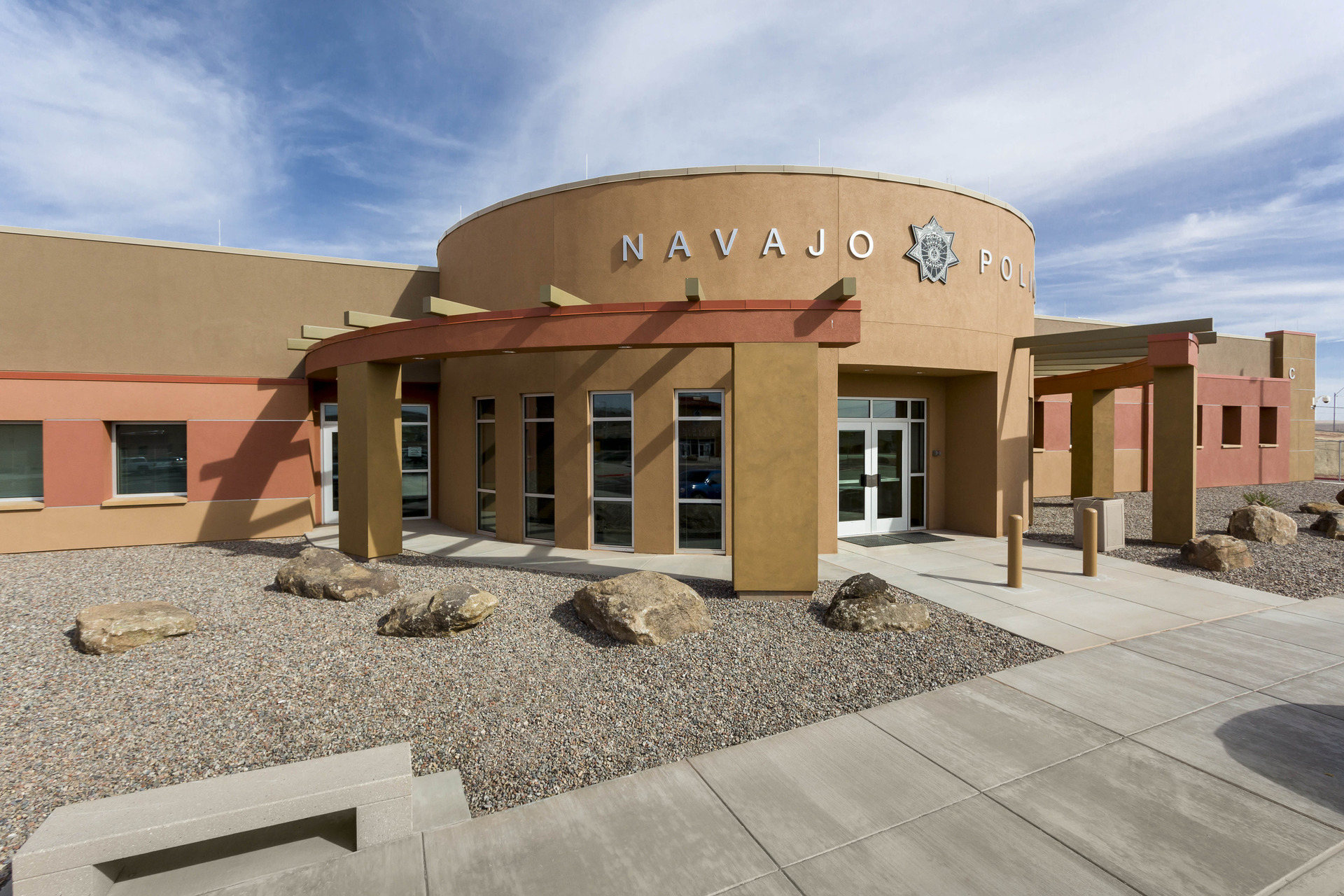
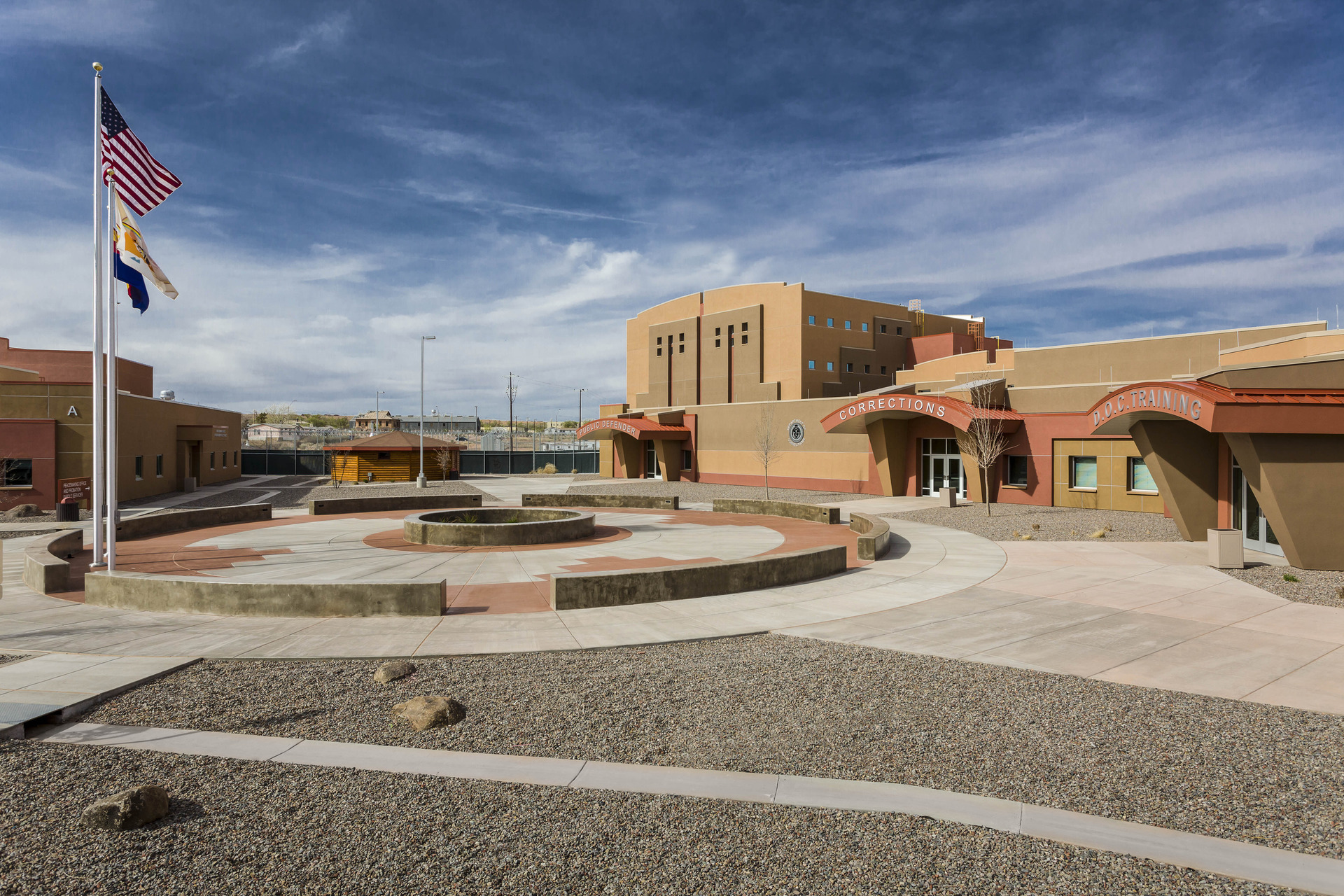
Navajo Nation Justice and Public Safety Centers
Crownpoint, NM
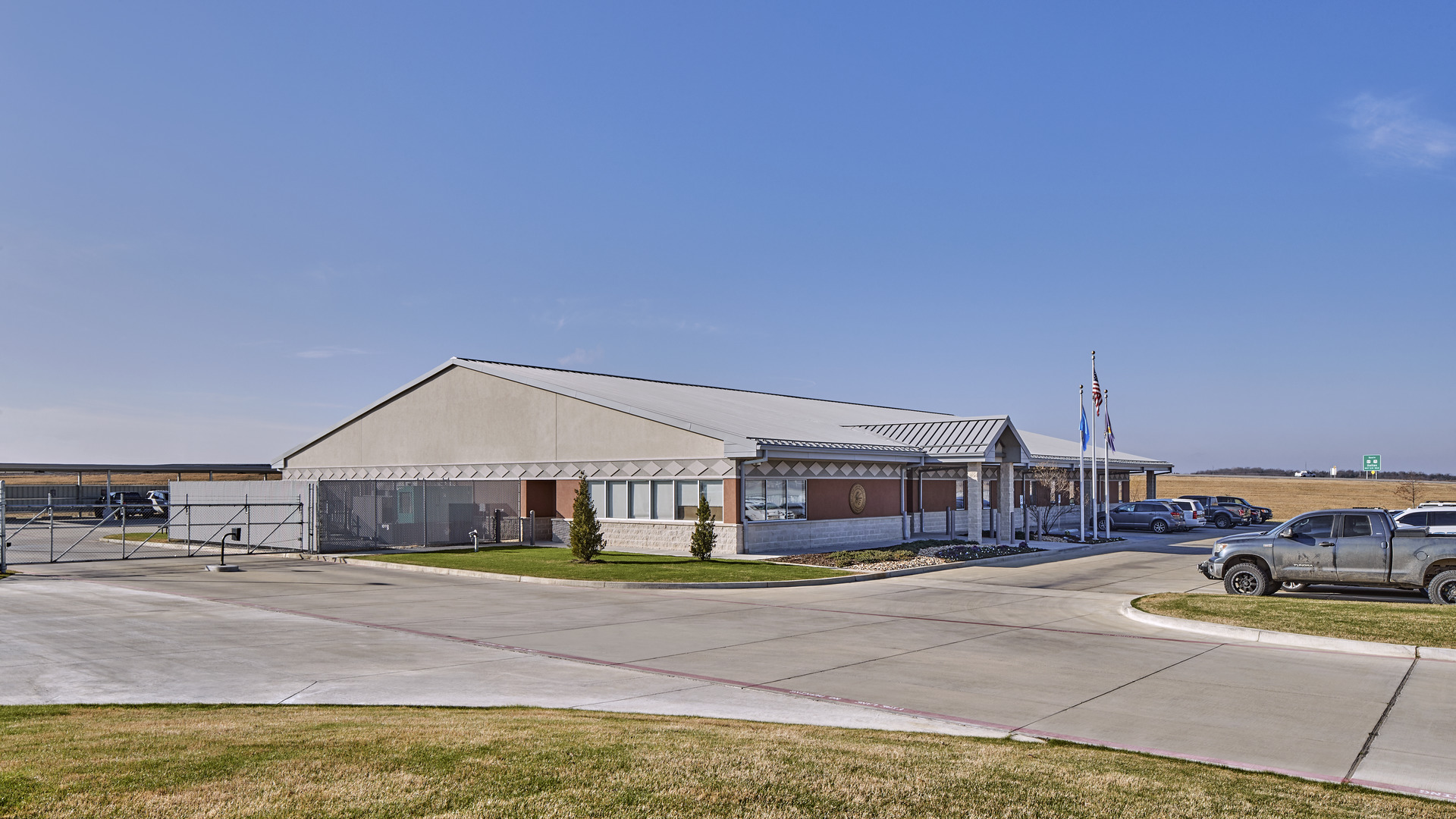
Choctaw Public Safety
Durant, OK
JCJ Architecture has partnered with more than 80 Tribal Nations across the United States, designing facilities that support economic development, community services and cultural preservation.
The firm’s work includes gaming and hospitality destinations, hotels, entertainment venues and food and beverage facilities, as well as schools, cultural centers, museums, repositories, wellness and recreation centers, public safety facilities, justice centers and other projects that serve Tribal members and strengthen Tribal communities.
JCJ has worked in Indian Country for more than 35 years. The firm’s experience began in 1992 with the Mashantucket Pequot Tribe, where over the next decade JCJ designed more than 1.7 million square feet of development that helped transform Foxwoods Resort Casino from a regional bingo facility into one of the largest resort destinations in North America.
Since then, JCJ has built long-standing relationships with Tribal Nations throughout the United States. Clients have included the Mashantucket Pequot Tribe, Mohegan Tribe, Seneca Nation of Indians, Choctaw Nation of Oklahoma, Muscogee Nation, Cherokee Nation, Navajo Nation, Gila River Indian Community, Agua Caliente Band of Cahuilla Indians, Pechanga Band of Indians, Yuhaaviatam of San Manuel Nation and many others.
Yes. Every Tribal Nation has its own governance structure, priorities, traditions and long-term vision. JCJ approaches each project with respect for Tribal sovereignty, a collaborative planning process and a commitment to building lasting relationships.
Many of the firm’s client relationships have continued over decades, reflecting an approach built on listening, trust, responsiveness and consistent project delivery.
JCJ has designed a broad range of facilities that support Tribal governments, community services and cultural preservation.
Representative projects include the Agua Caliente Cultural Plaza in Palm Springs, California, featuring the Agua Caliente Cultural Museum and The Spa at Séc-he; Casa Blanca Community School and Gila River Community School for the Gila River Indian Community; Chámmakilawish School for the Pechanga Band of Indians; the Choctaw Cultural Center and Choctaw Wellness Center for the Choctaw Nation of Oklahoma; and justice facilities for the Navajo Nation in Crownpoint, New Mexico and Tuba City, Arizona.
Together, these projects reflect JCJ’s experience supporting education, wellness, justice, recreation, culture and community life across Indian Country.
Yes. JCJ provides comprehensive master planning services that help Tribal Nations make informed long-term decisions about land use, infrastructure, community development and economic investment.
Planning services include site evaluation, infrastructure planning, programming, land use analysis, phasing strategies and feasibility studies. Working closely with Tribal leadership, JCJ helps clients develop flexible plans that respond to current needs while preserving opportunities for future generations.
Yes. JCJ’s work with Tribal Nations has received national recognition for design excellence, education and cultural preservation.
Recent honors include AIA awards for Casa Blanca Community School, recognition of the Choctaw Cultural Center as a Top Ten Model Museum and Cultural Center by the International Conference of Indigenous Archives, Libraries and Museums, and national recognition for Agua Caliente Cultural Plaza, including TIME magazine’s World’s Greatest Places and the American Indian Alaska Native Tourism Association’s Destination of the Year.
JCJ has completed planning and design projects for Tribal Nations throughout the United States, including work in Arizona, California, Florida, Idaho, Louisiana, Maine, Massachusetts, Michigan, Mississippi, New Mexico, New York, Oklahoma, South Carolina, Texas and Washington.
The firm maintains offices in Boston, Hartford, Las Vegas, New York, Phoenix, San Diego and Tulsa and is licensed to practice in 45 states, allowing the team to support Tribal Nations across the country.