Fairchild Wheeler Interdistrict Magnet Campus
BRIDGEPORT, CT
Fairchild Wheeler Interdistrict Magnet Campus was created to expand educational opportunity for students in Bridgeport and the surrounding region through an innovative STEM-focused learning model. Conceived through partnerships between educators, community leaders, regional employers and institutions of higher education, the campus was envisioned as a place where rigorous academics, project-based learning and real-world experiences would prepare students for further education or placement in successful careers.
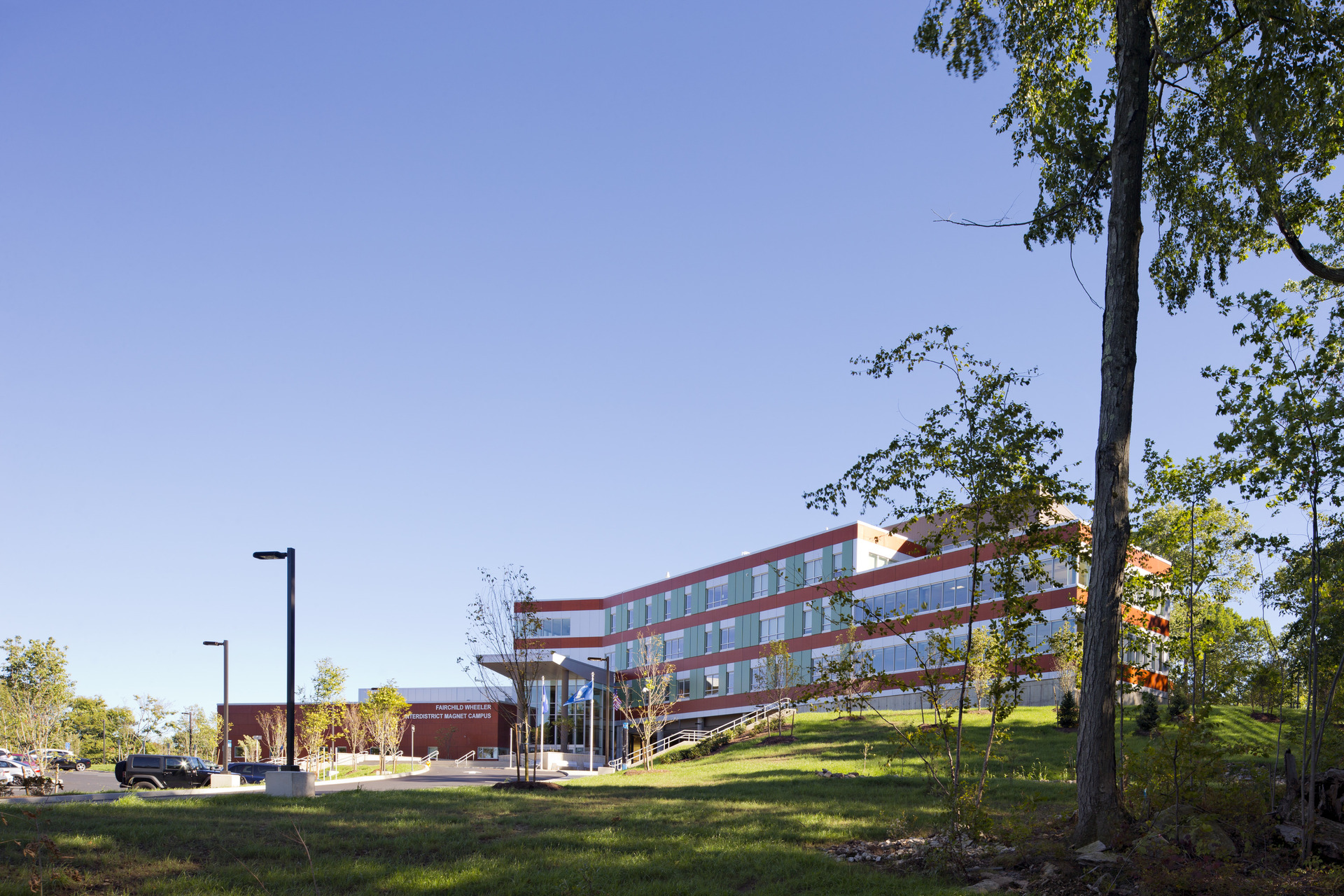
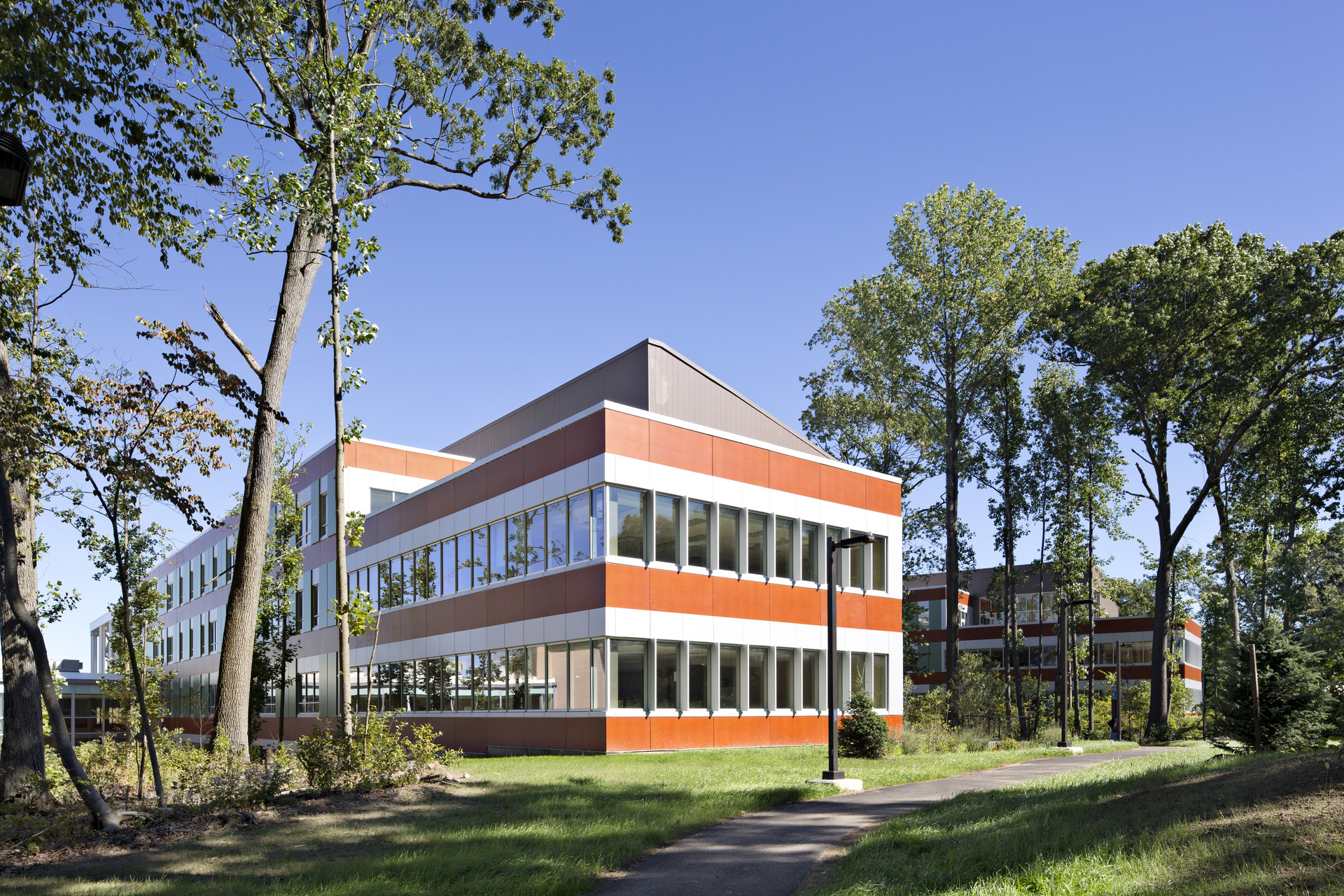
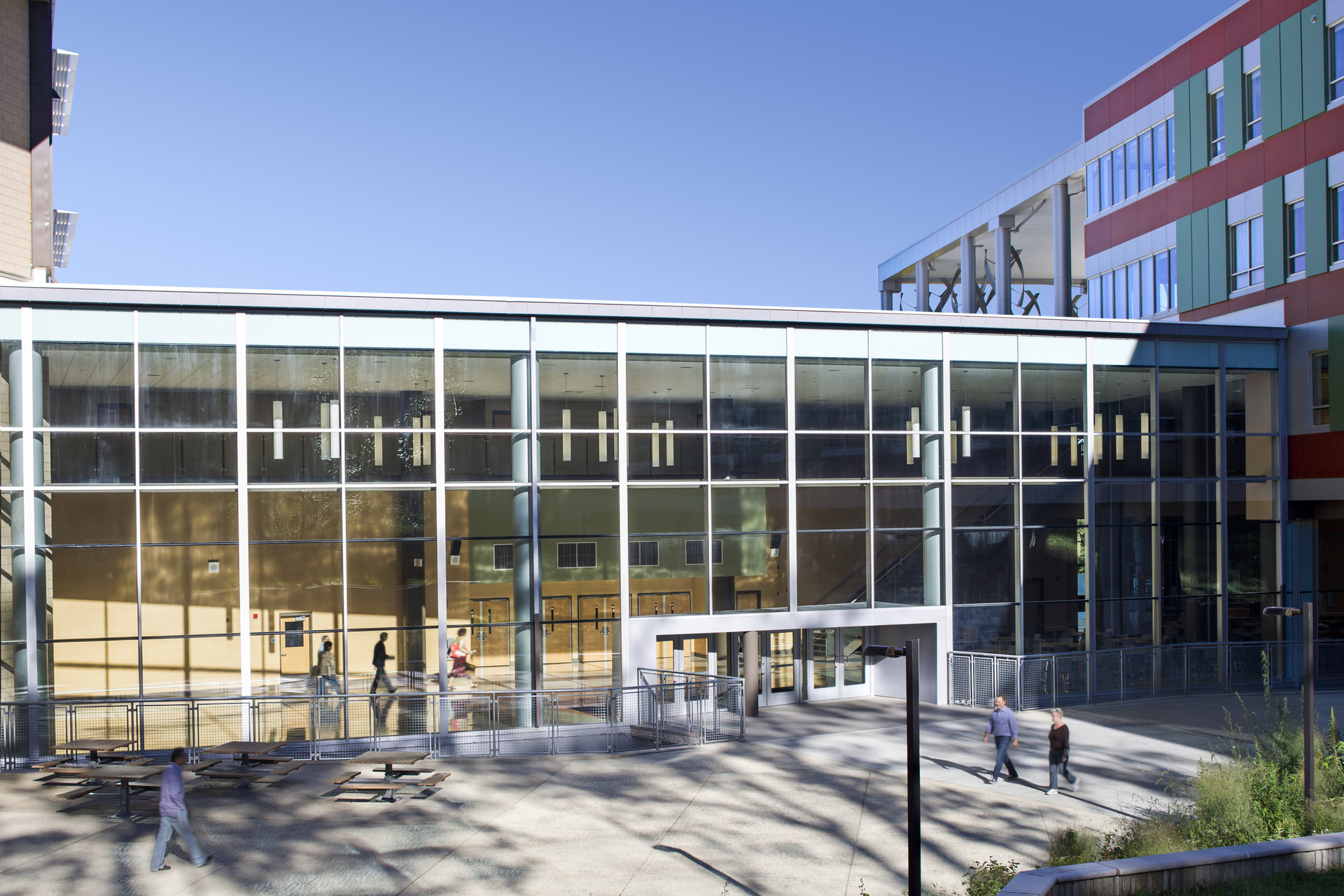
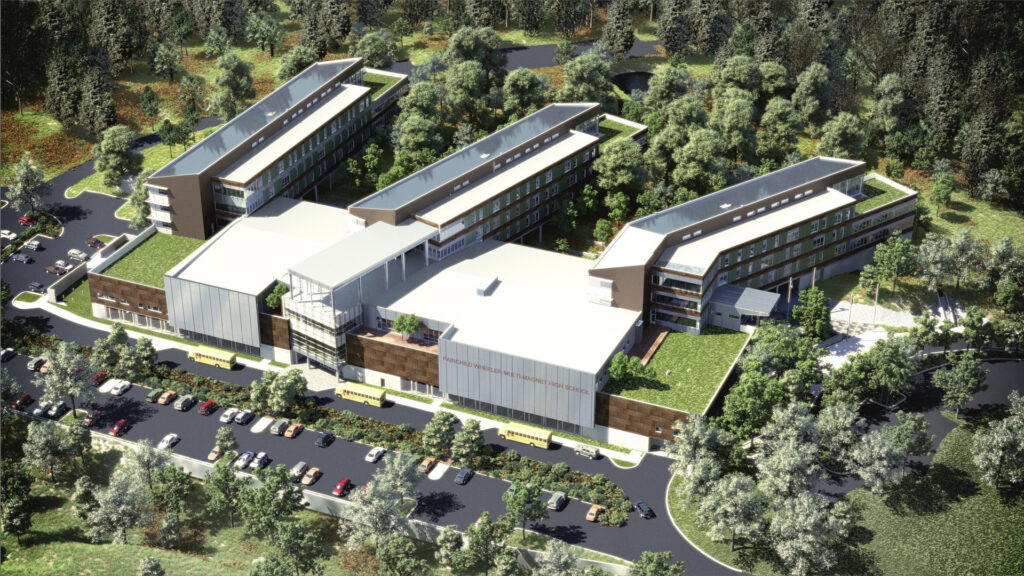
Working alongside the visionary educators who sought to bring new and powerful educational opportunity to one of the country’s most disadvantaged cities, JCJ was engaged from the earliest stages to help shape the planning and design of the new campus by developing the educational specification and building program. The firm also supported the state funding application and led an extensive site selection and test-fit process. With the site secured and funding in place, JCJ undertook the full planning, architecture and interior design of the 250,000-square-foot campus.
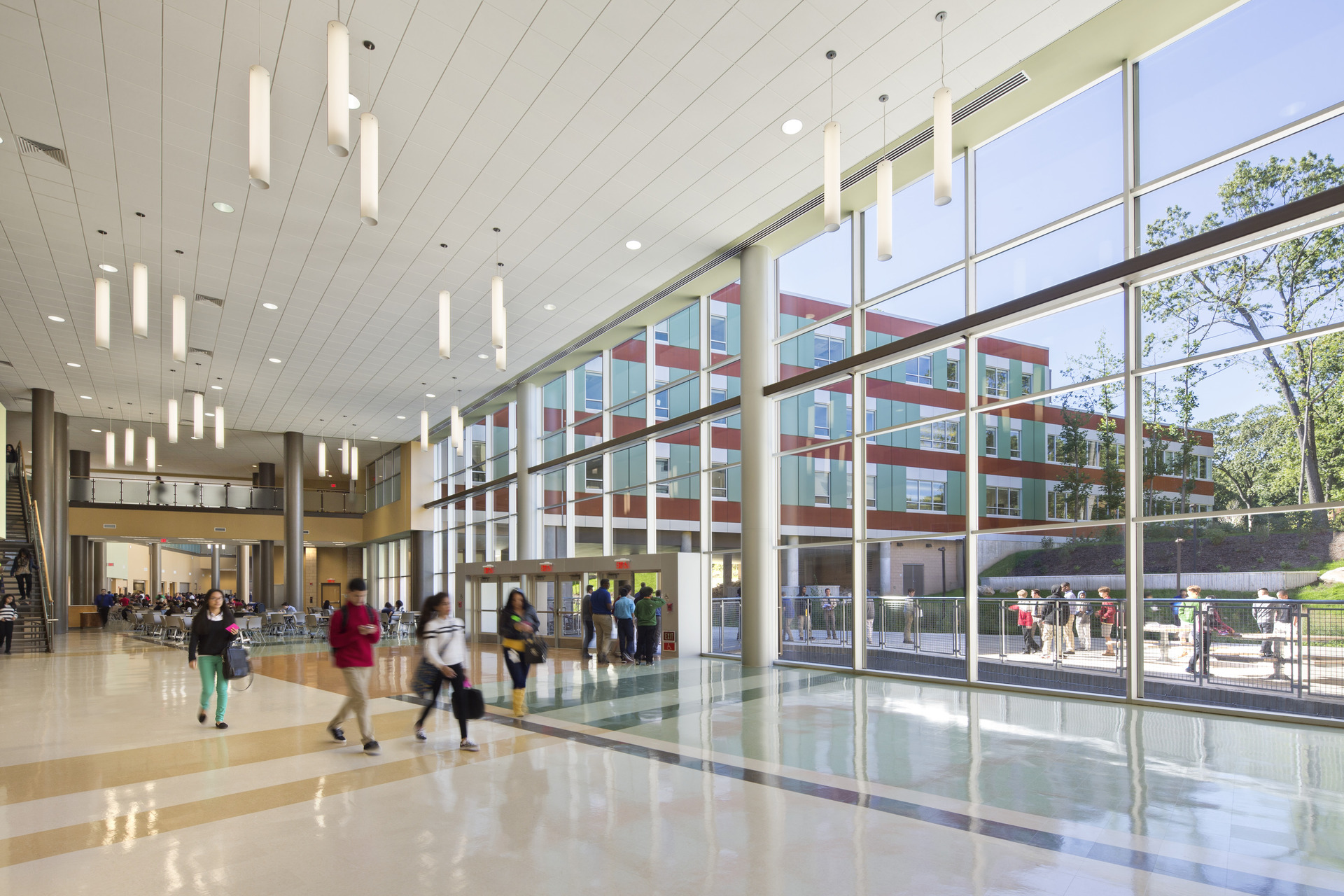
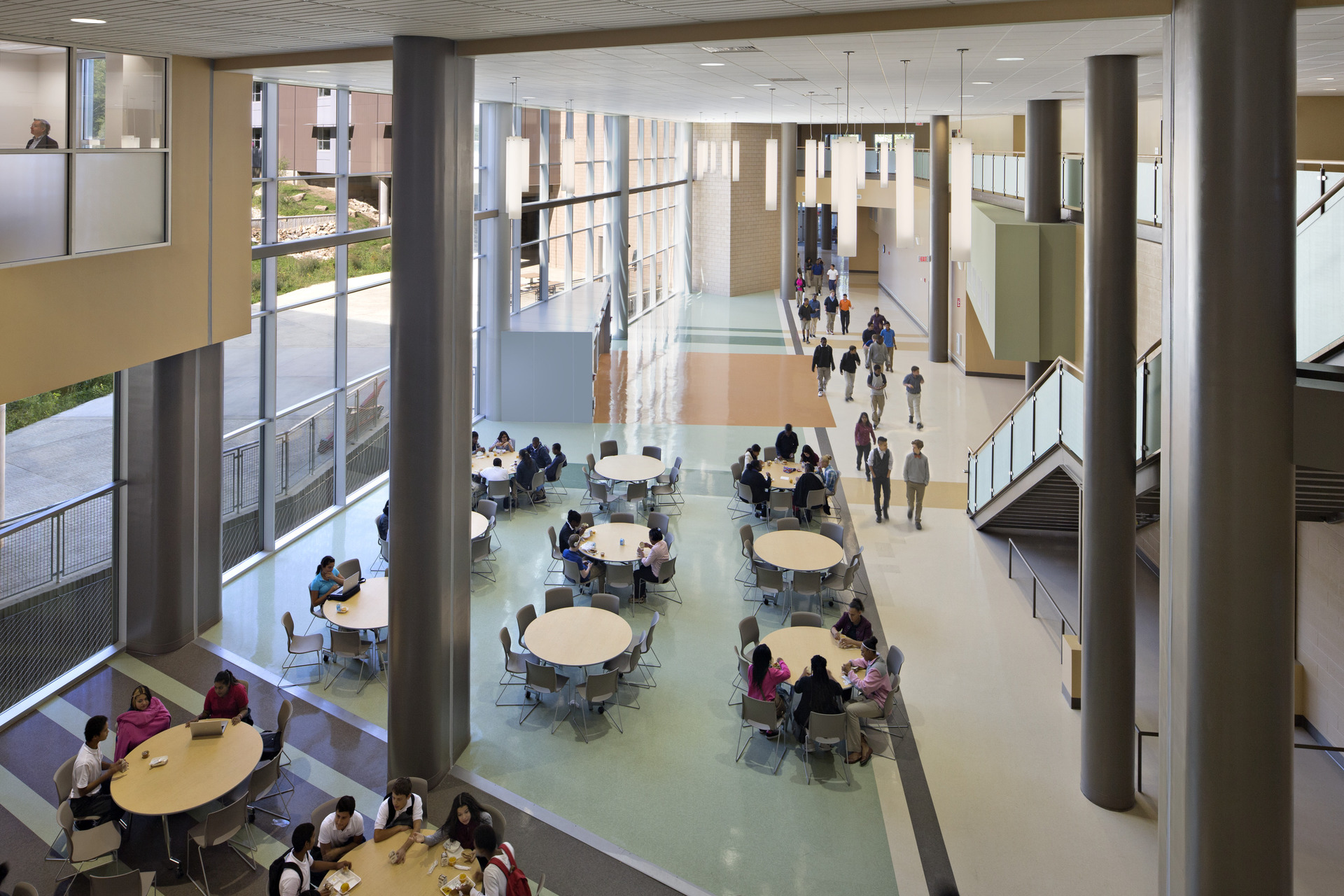
The campus brings together three 500-student magnet schools—Information Technology and Software Engineering, Biotechnology Research and Zoological Sciences, and Aerospace/Hydrospace Engineering and Physical Sciences—within a single, interconnected learning environment. Organized around a shared academic and social core, each learning community maintains its own identity. Interdisciplinary collaboration is encouraged and supported by direct engagement and partnerships with higher education and industry. Teachers, administrators and external partners work together to create meaningful learning experiences that connect classroom instruction with real-world application.
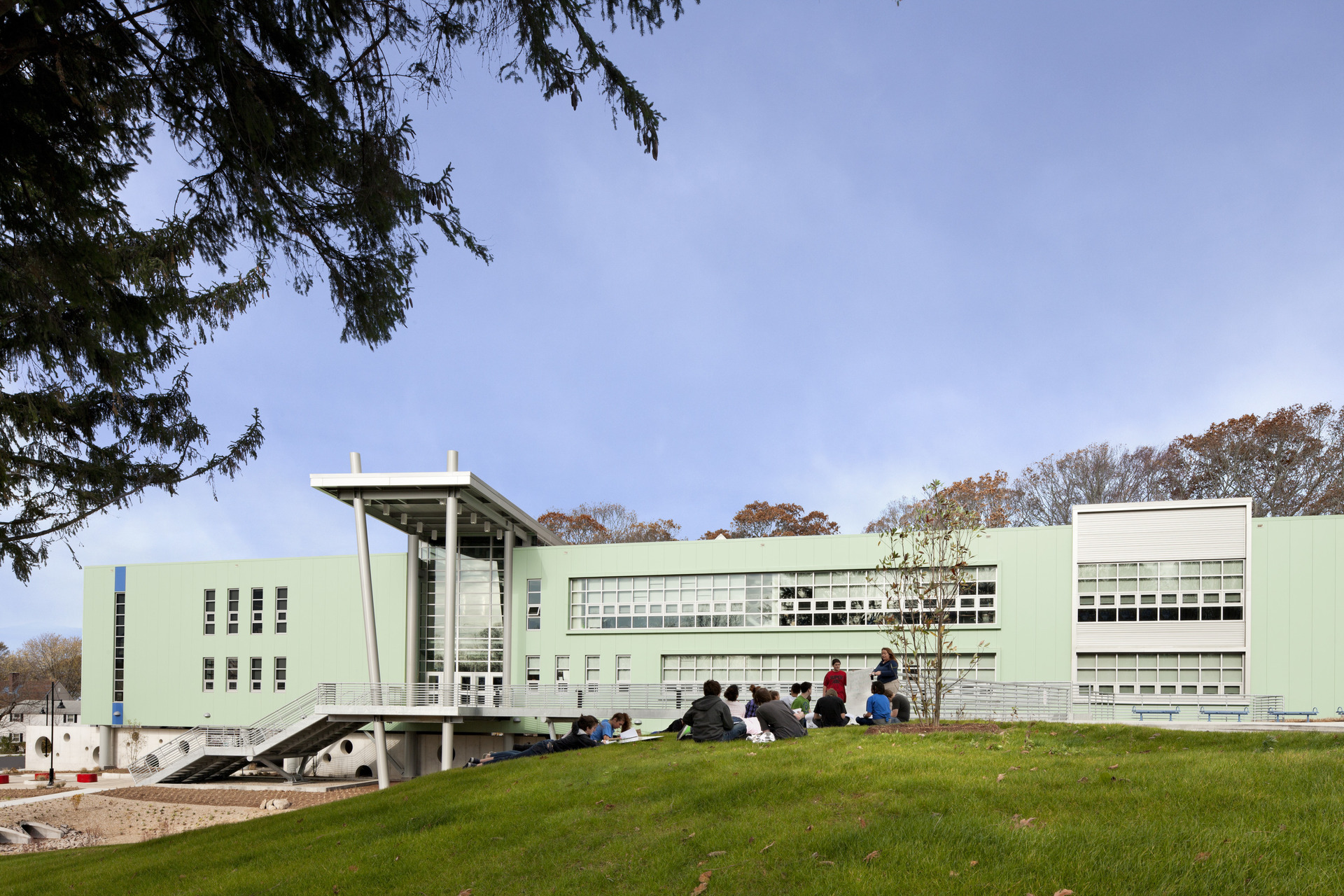
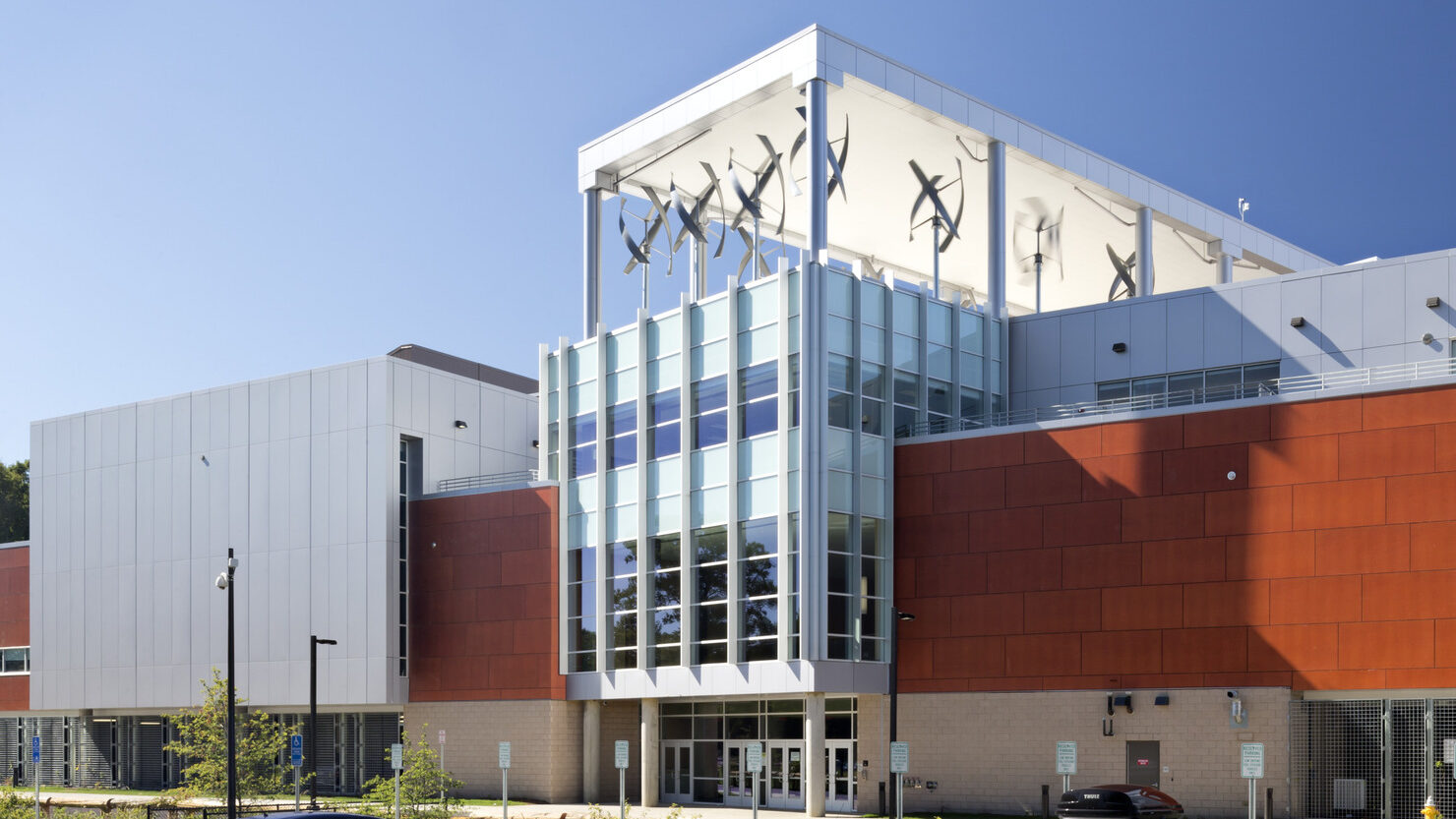
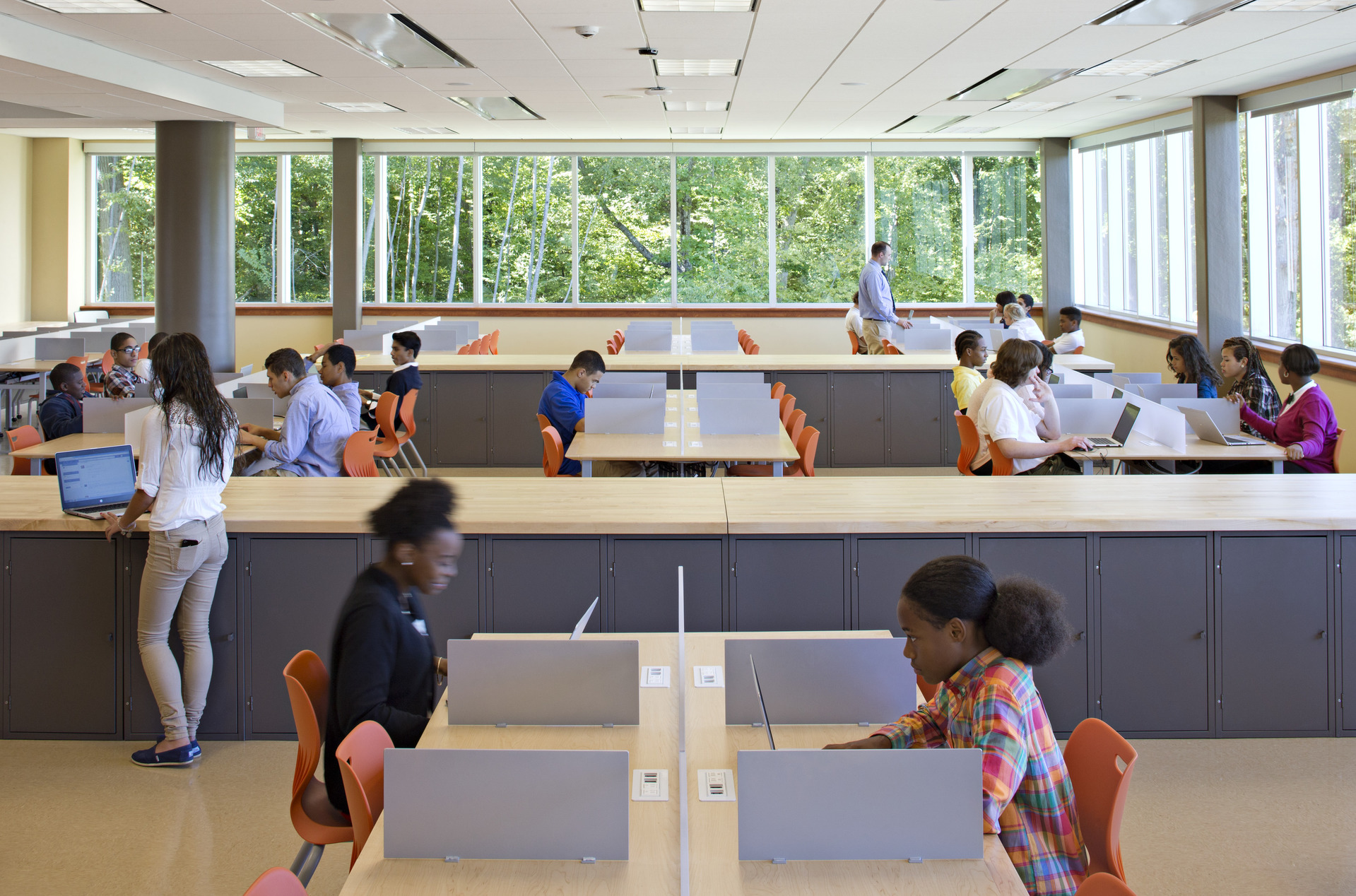
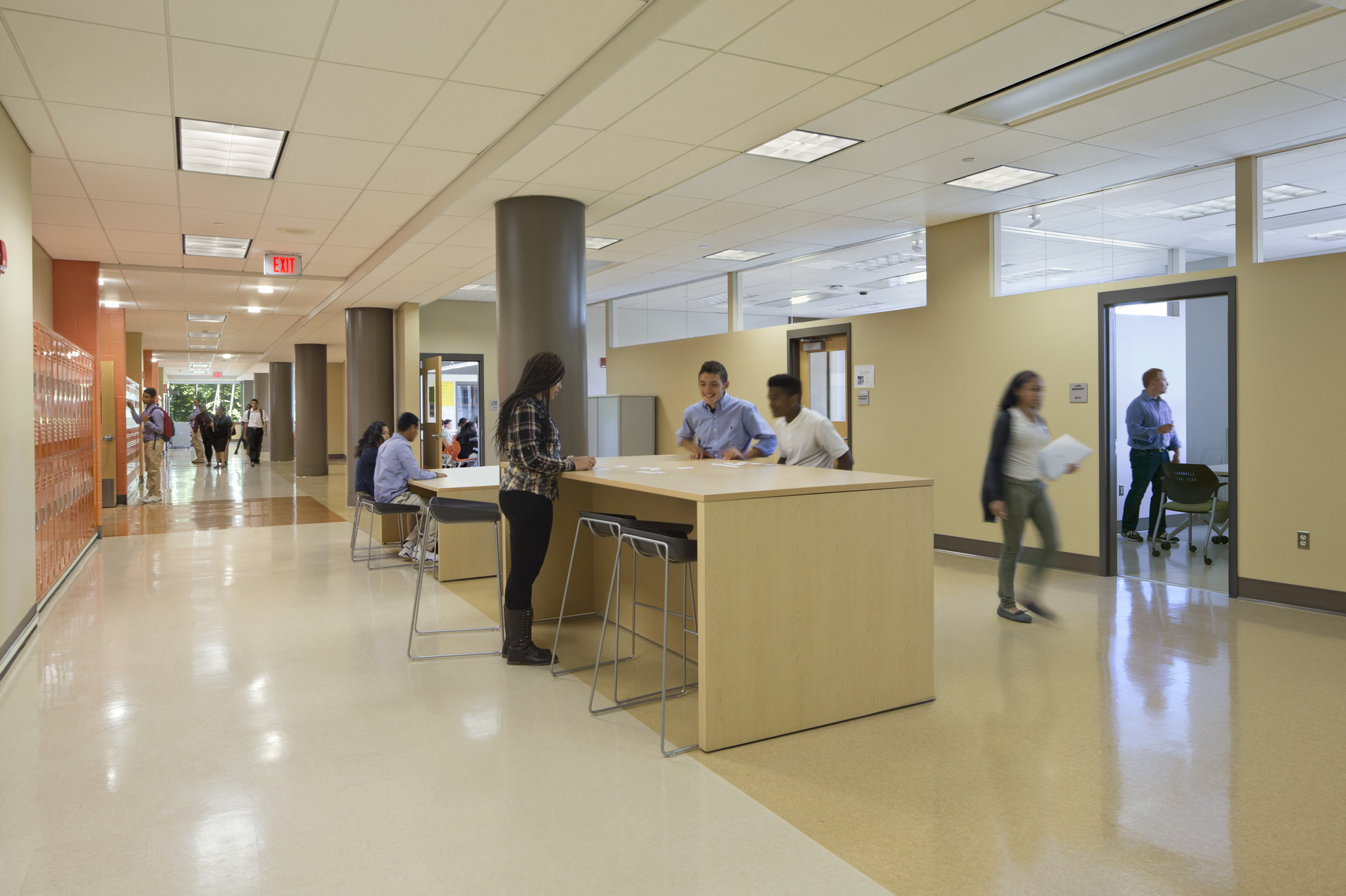
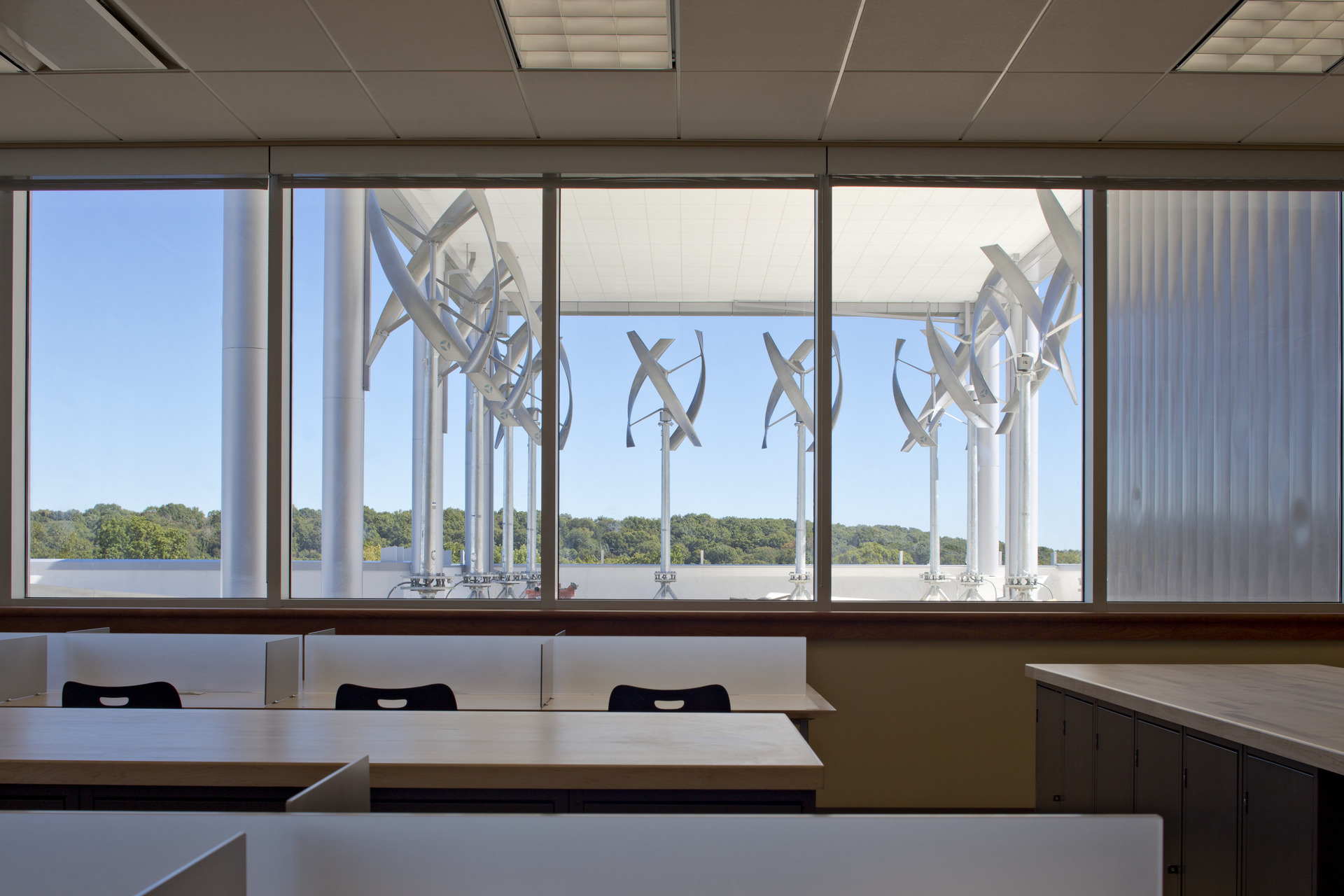
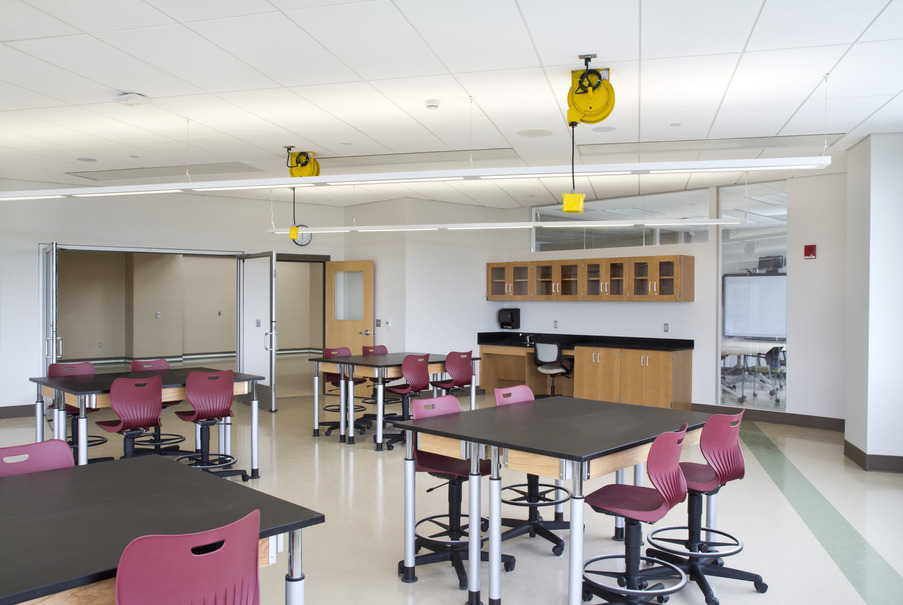
The design reflects the educational vision at every scale. Flexible learning studios, dedicated partner laboratories, student workstations and informal collaboration spaces support project-based learning, while the building and surrounding landscape serve as active teaching tools through integrated sustainable systems and outdoor learning environments. The learning environment reinforces an educational philosophy that sets high expectations, encourages students to take ownership of their learning and recognizes their individual potential.
Completed in 2013, Fairchild Wheeler represents the culmination of a decade of educational visioning, planning, design and collaboration. Today, it stands as a model for interdisciplinary STEM education. In 2016, the project received the Association for Learning Environments’ prestigious James D. MacConnell Award, recognizing the successful translation of an ambitious educational vision into an exceptional learning environment. Early student outcomes—including outstanding graduation rates, college enrollment and participation in STEM fields—validate the strength of the educational model and the learning environment designed to support it.
Awards
2016 James D. MacConnell Award Winner, Association for Learning Environments (A4LE)