
The Power of Feasibility Studies in School Planning and Community Building | By Doug Roberts, AIA, LEED AP
Client & Project Themes | February 16, 2026
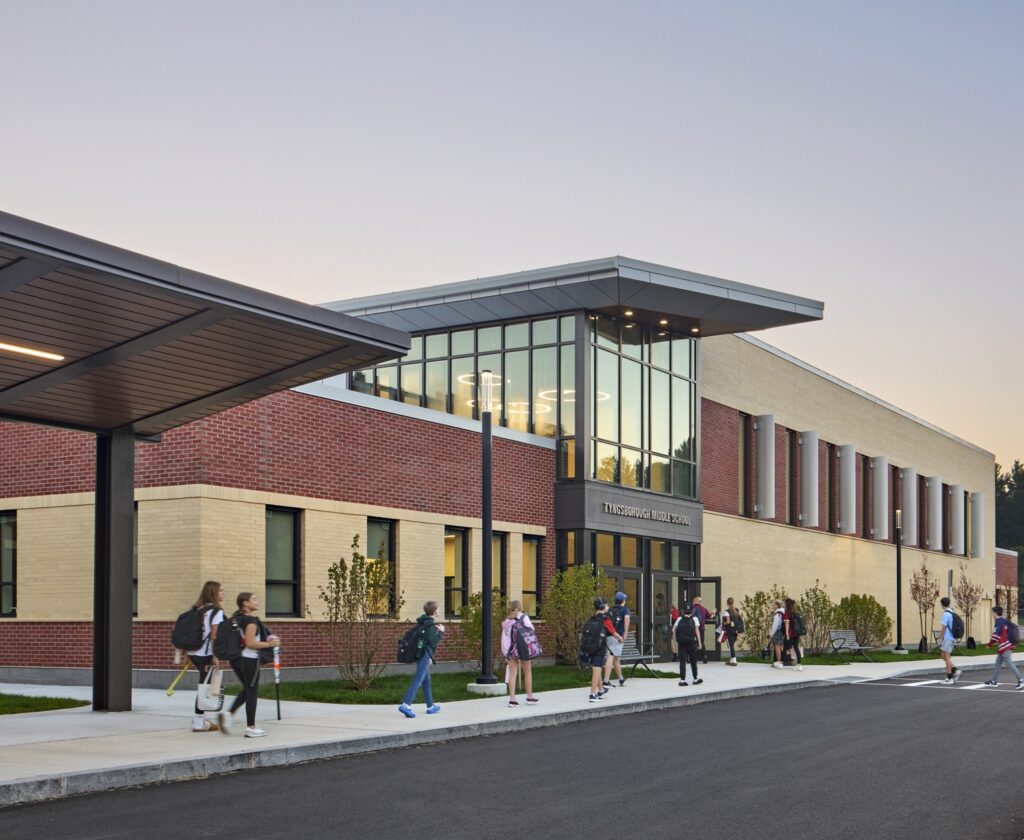
For school districts navigating complex funding processes, aging facilities, evolving educational needs, and increasing community expectations, a feasibility study can be one of the most valuable tools in the planning process.
More than simply evaluating potential design solutions, feasibility studies provide the data, context, and transparency needed to guide informed decision-making and build community support.
In his recent article for School Construction News, Doug Roberts, AIA, LEED AP, Principal at JCJ, explores the important role feasibility studies play in shaping successful education projects, from defining programmatic needs and evaluating existing facilities to assessing costs, exploring design options, and engaging stakeholders.
Doug highlights Tyngsborough Middle School in Massachusetts as a compelling example of how this process can help communities determine the right path forward. Built in 1967, the existing school had been renovated but not expanded, resulting in aging infrastructure, space limitations, and challenges accommodating contemporary instructional models. Through a comprehensive feasibility study conducted in collaboration with the Town of Tyngsborough, Tyngsborough Public Schools, the Massachusetts School Building Authority (MSBA), and the project team, multiple options were evaluated before the community ultimately selected a ground-up replacement.