Rethinking K-12 Schools as a Continuous Learning Experience | By Fawn Walton Pellegrini, AIA, NCARB, LEED AP, MCPPO
Client & Project Themes | July 14, 2026
What if a student’s journey from kindergarten through high school felt less like moving between separate buildings and more like a continuous learning experience?
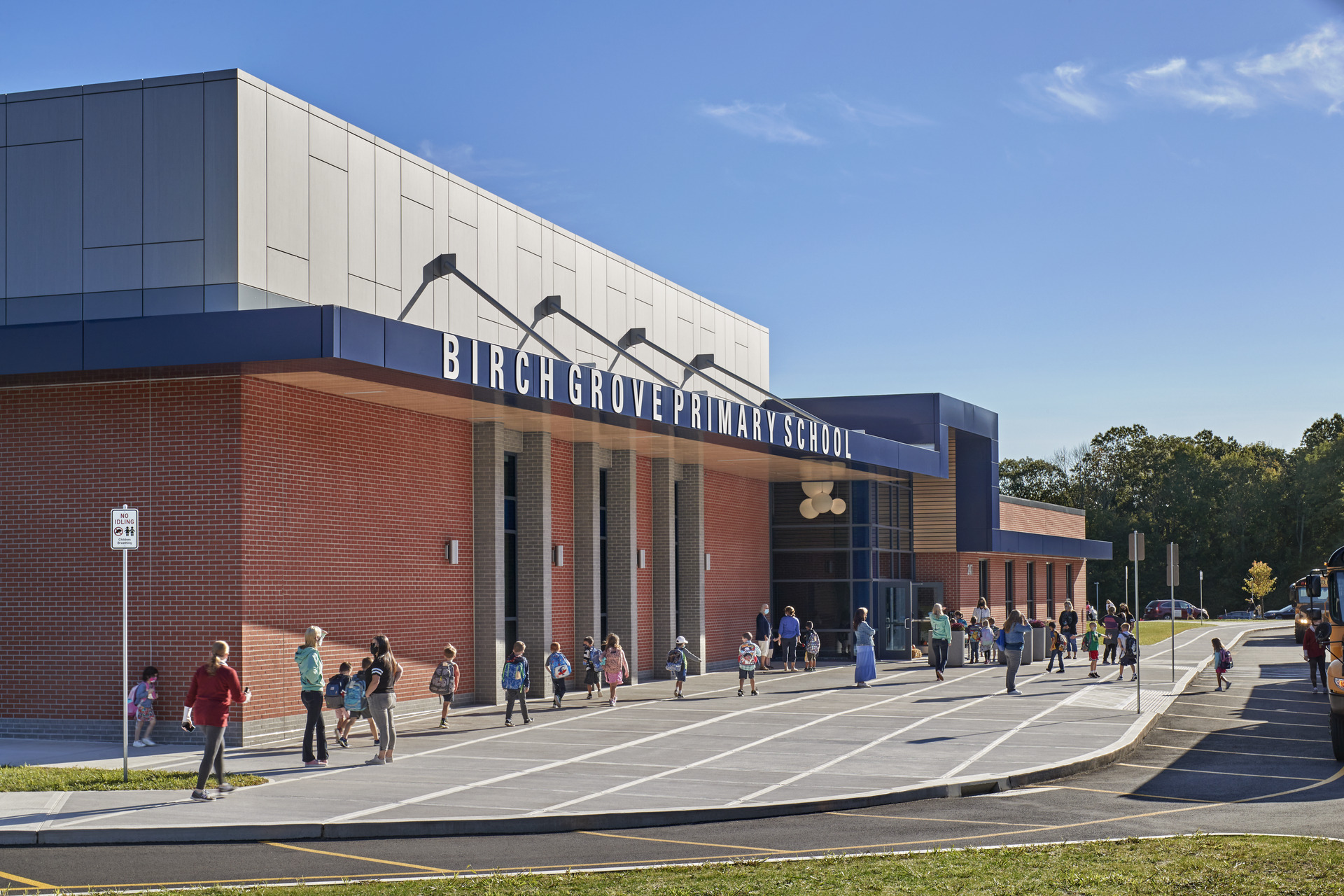
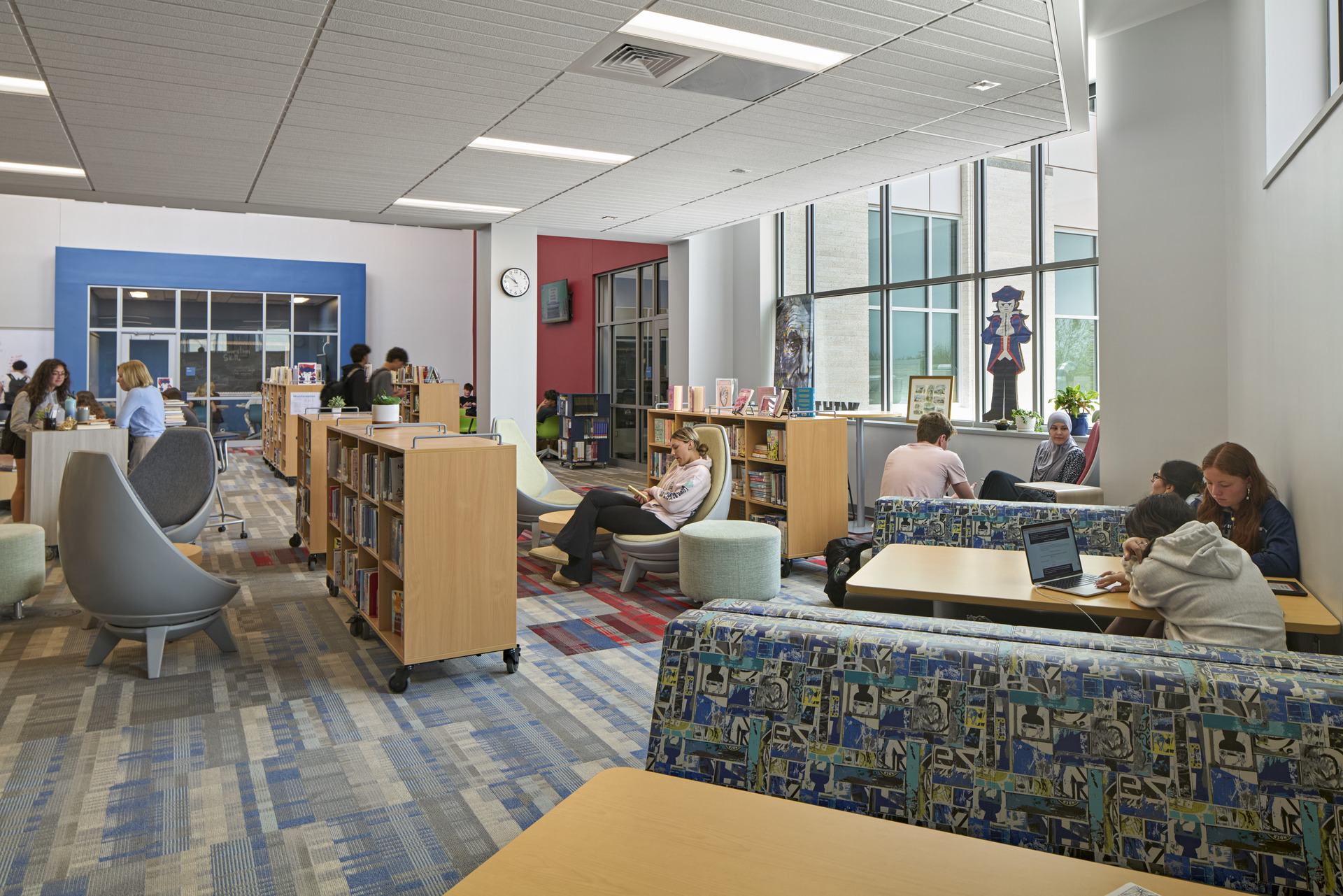
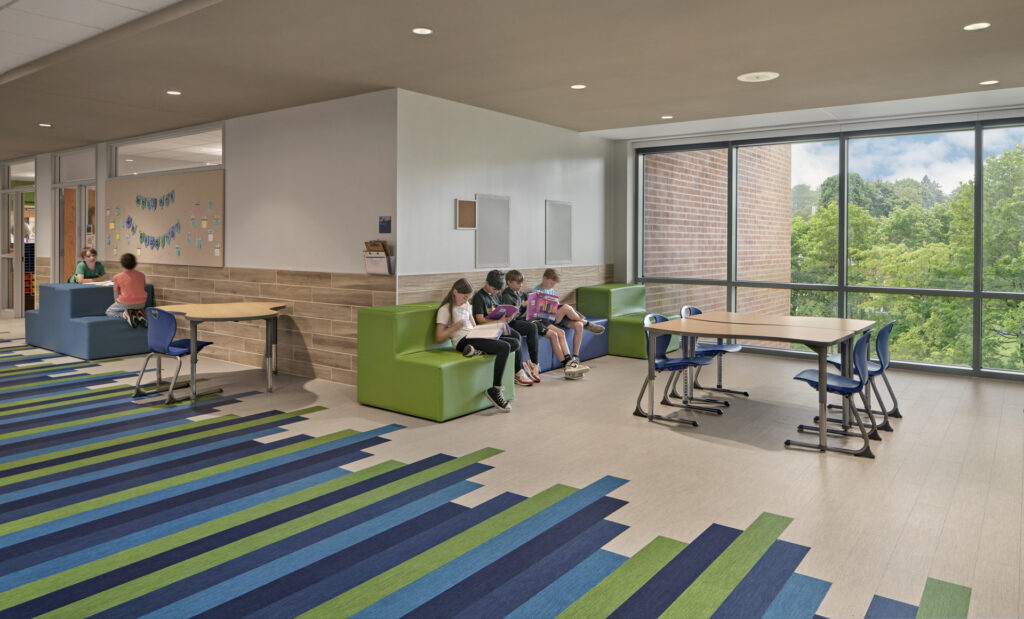
In her recent article for Spaces4Learning, JCJ’s Fawn Walton Pellegrini explores how districts are rethinking K-12 school design through a more unified, district-wide approach. Rather than designing each school in isolation, architects and educators are creating a shared design language that carries familiar concepts such as breakout spaces, learning neighborhoods, collaboration areas, and flexible classrooms across all grade levels.
This approach doesn’t mean every school looks the same. Instead, it creates consistency in how students learn, collaborate, and navigate their environments while allowing each school to reflect the unique needs and character of its students and community.
Flexible learning environments are also giving educators greater opportunities to support project-based learning, co-teaching, small-group instruction, independent work, and individualized student needs. By designing spaces that can evolve alongside teaching methods and student needs, schools can remain adaptable for years to come.
Ultimately, planning K-12 facilities as a connected system can create a more seamless student experience while helping districts make smarter long-term investments in their schools and communities.