The Noli School was recognized in 1994 by the BIA and became the first tribally-governed and grant-funded school. The school serves the educational needs for Native American student grades 6 through 12 and represents approximately 27 Tribes. Many students are bussed from 15 local reservations, some as far away as 80 miles.
In 2011, JCJ Architecture and C.W. Driver Construction Company were selected to prepare a Master Plan and Feasibility Plan for a new Noli Indian School on the Soboba Reservation. Future student population projections predicted this school to have between 1,200 and 1,500 students. JCJ and C.W. Driver worked as an integrated team to complete a comprehensive feasibility study which included site feasibility/site selection, program test fits, SD-level concept development and conceptual budgets.
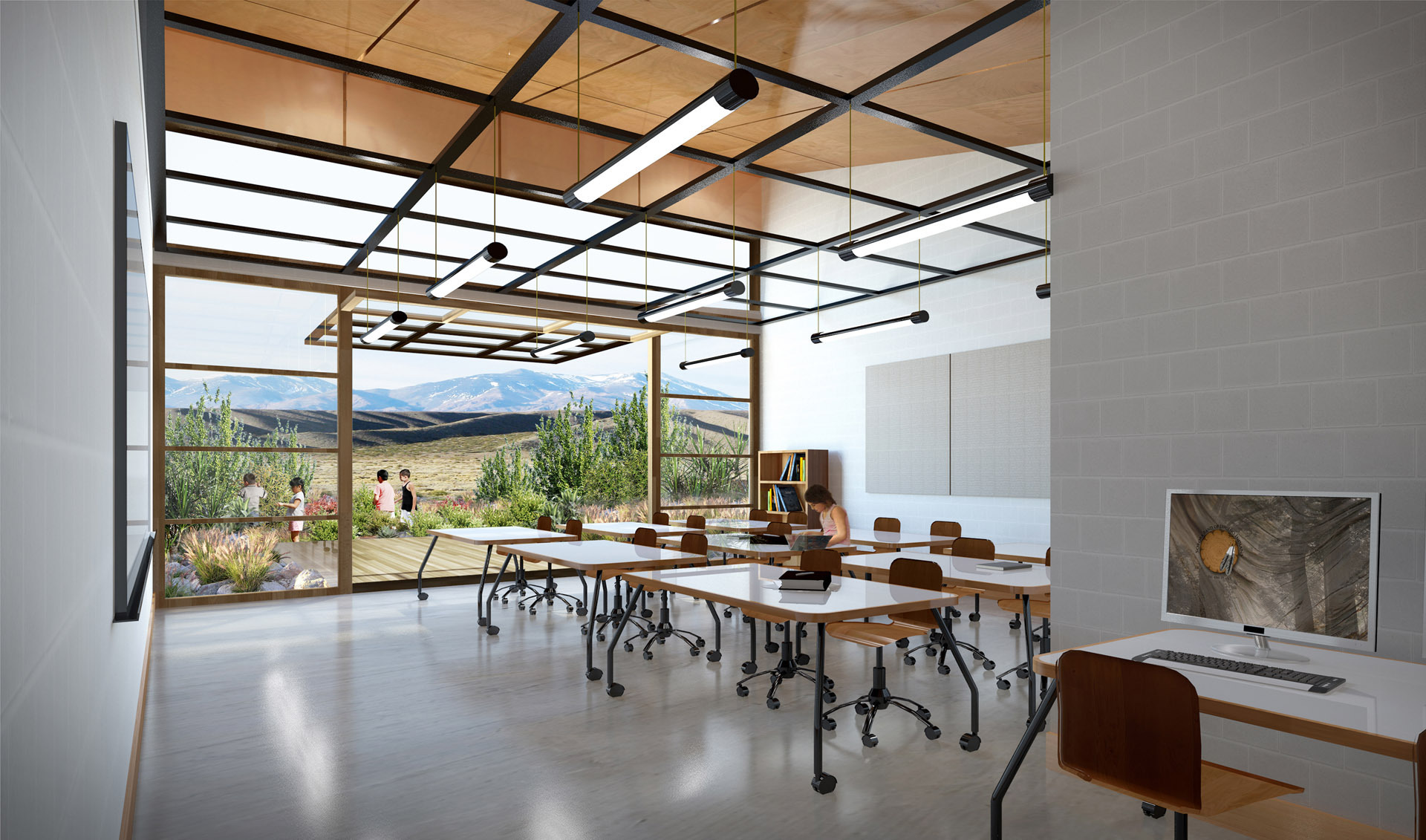
Tribal members, teachers, administrators and school board members participated in a series of workshop forums. Areas of exploration focused on how the 21st century classroom is used to stimulate learning; ways that architecture can facilitate to inspire curiosity and foster excitement in learning; opportunities to share common functions within a school program; how to integrate sustainability into the classroom. There was a strong desire to develop a school that was focused on environmental considerations and for the school to be a learning laboratory for sustainability.
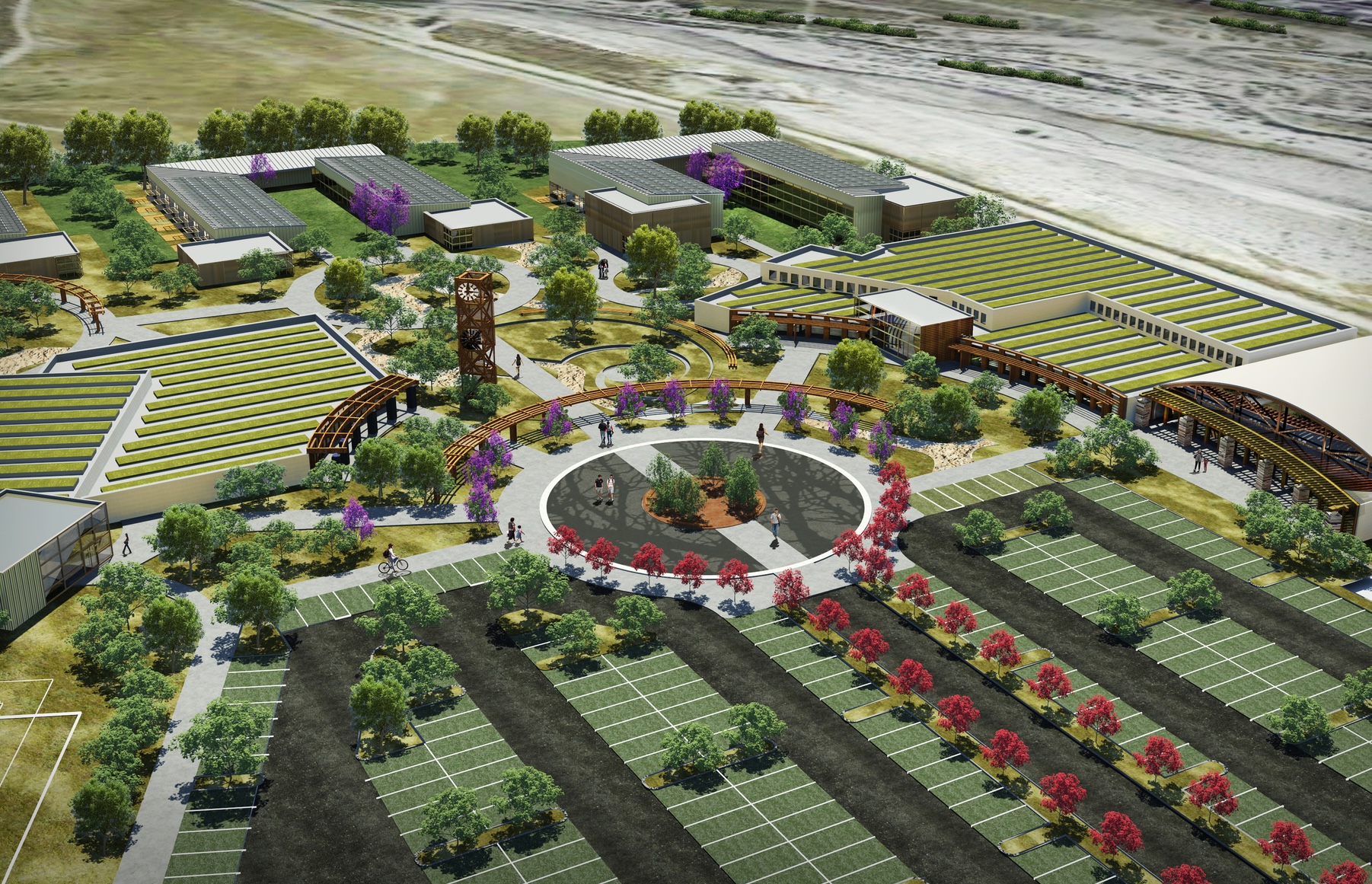
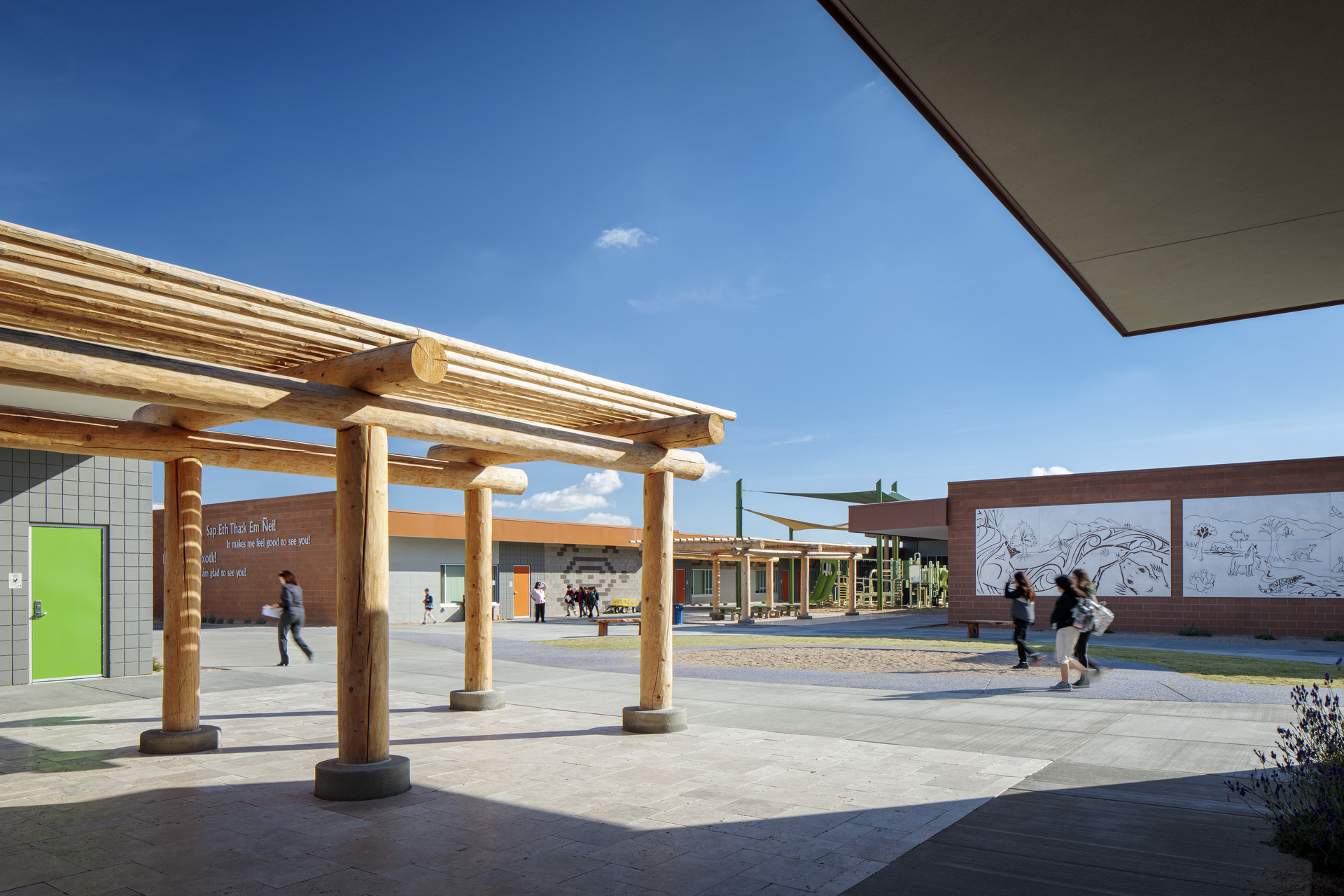
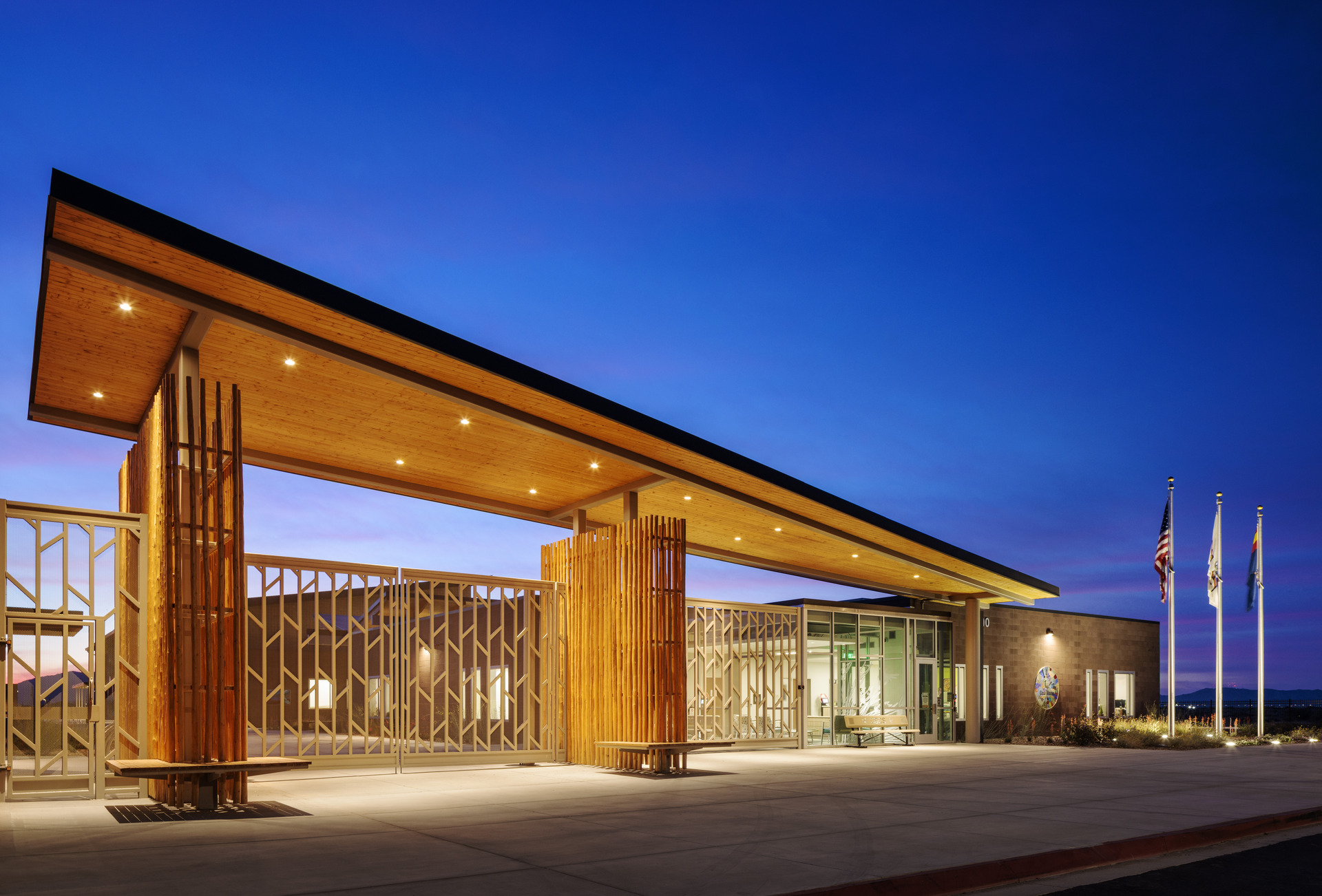
The vision for the Noli Indian School was to provide a learning Community that celebrated academic and vocational achievement within the context of cultural heritage awareness. The school would be a 345,000 square feet state of the art campus integrating both technology and environmentally advanced architecture. The design provided outdoor connections 3 schools (elementary, middle, high school) arranged around a central courtyard which functioned as circulation and an active learning space.
The buildings were sited to optimize day lighting and sustainability and minimize impacts on the natural resources: systems to collect rainwater from various roofs and feed into an underground tank; a vegetated roof to control water runoff during the rainy season; strategically-placed shade trees to reduce the urban heat island effect.
The project included a cultural center to honor the of the Soboba Band of Luiseño Indian people through the preservation cultural and tribal traditions, nurturing of social connection, and facilitating research and education for the community. With galleries for historic and contemporary exhibitions and programs, the Center was intended to house collections of cultural treasures and provide places for meeting, celebration, dialogue and research.